_BLOG
Operational intelligence, written down.
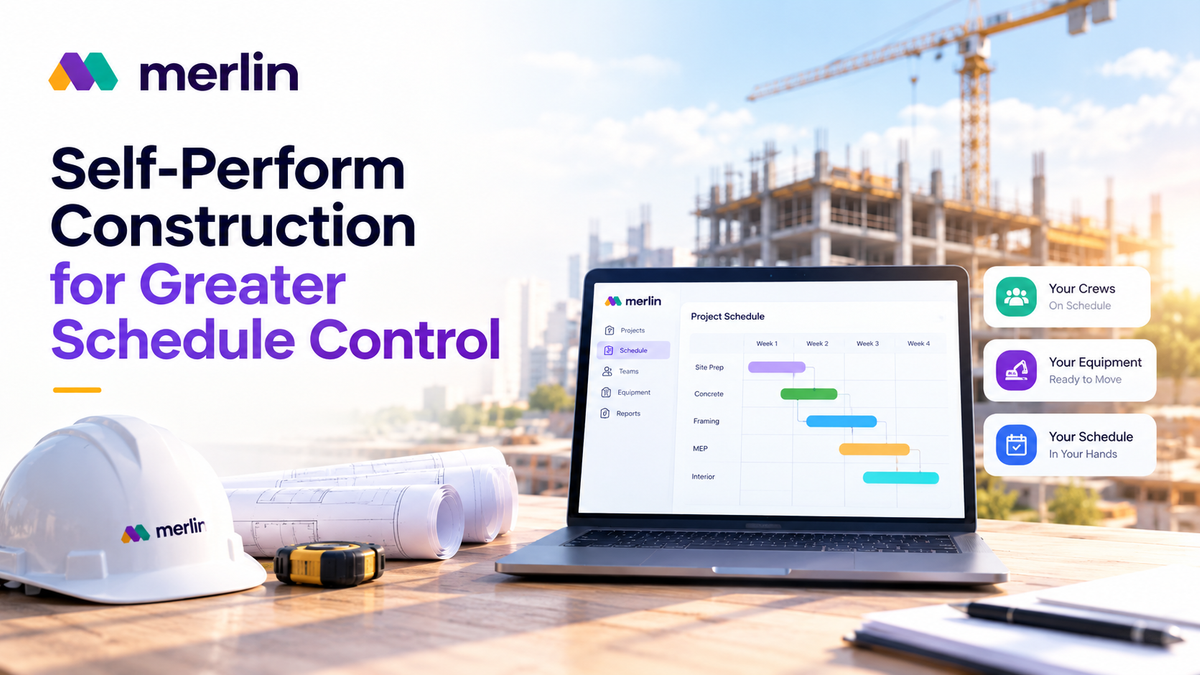
How Self-Perform Construction Gives General Contractors More Schedule Control
A pour slips because a sub's crew is across town, and the date you own moves without your say. Here's how self-perform construction closes the gap between accountability and schedule control.
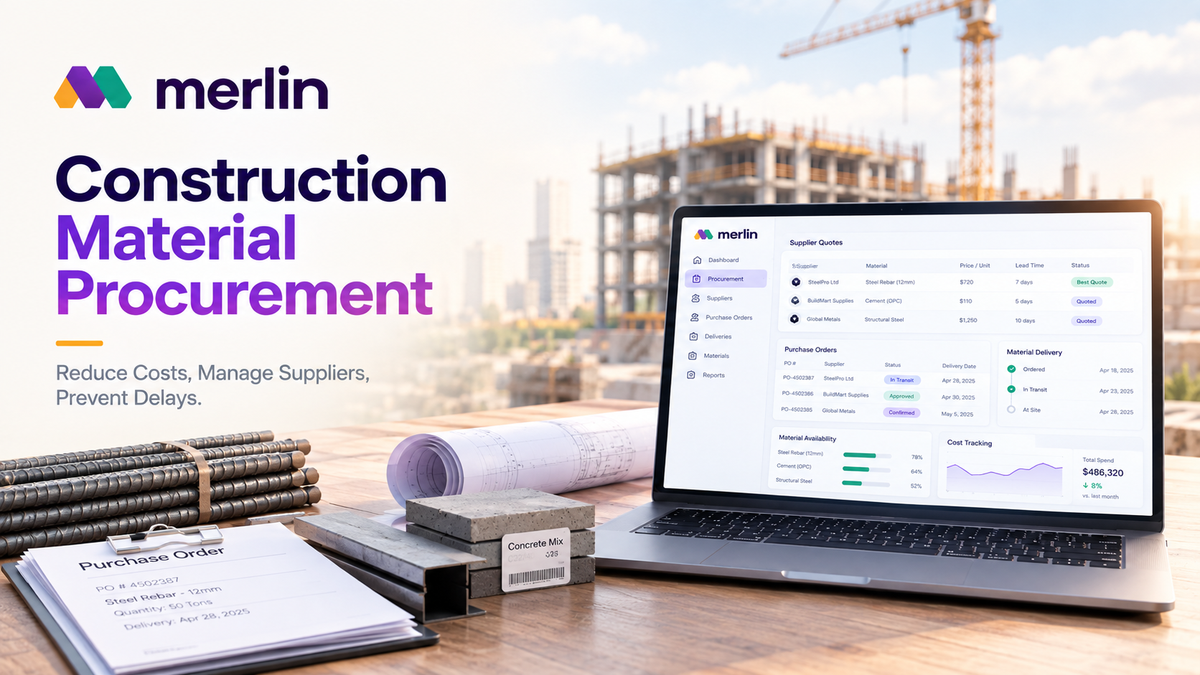
Construction Material Procurement: How to Reduce Costs, Manage Suppliers, and Prevent Delays
A steel delivery two weeks late is never a two week problem. Here's how to run construction material procurement to cut costs, manage suppliers, and prevent delays.
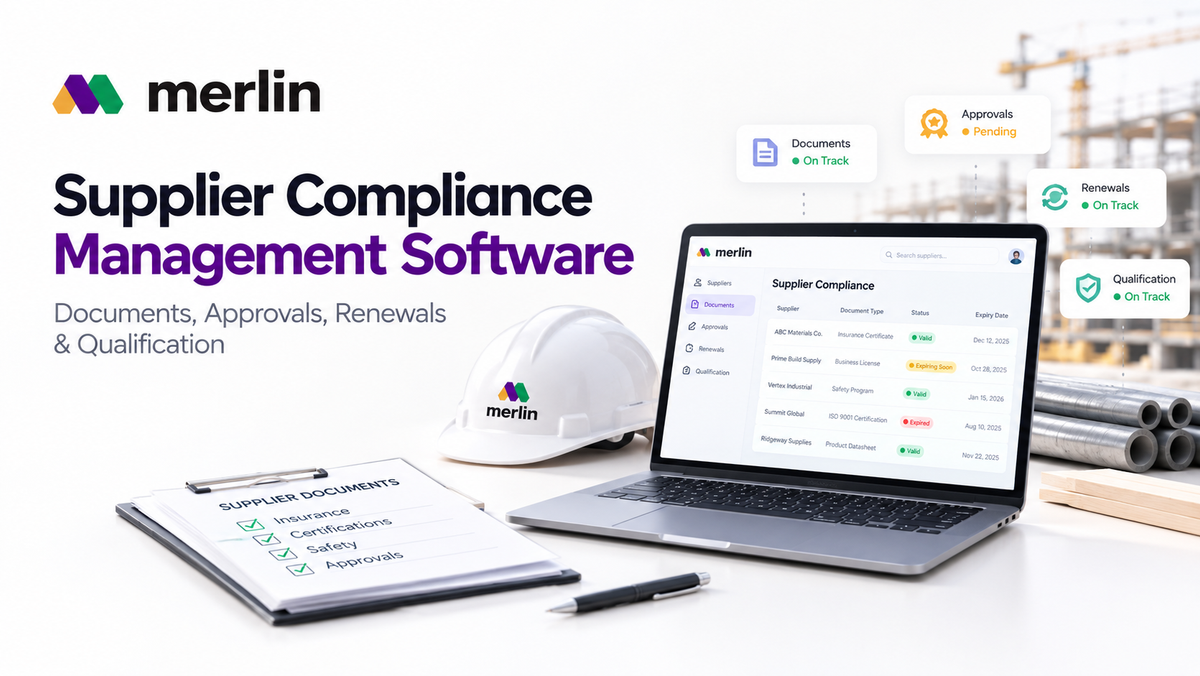
Supplier Compliance Management Software for Construction Suppliers: Documents, Approvals, Renewals & Qualification
Right product, right price, right date, then out over one expired certificate. Here's how supplier compliance management software keeps your documents and renewals current, so you stay on the shortlist.
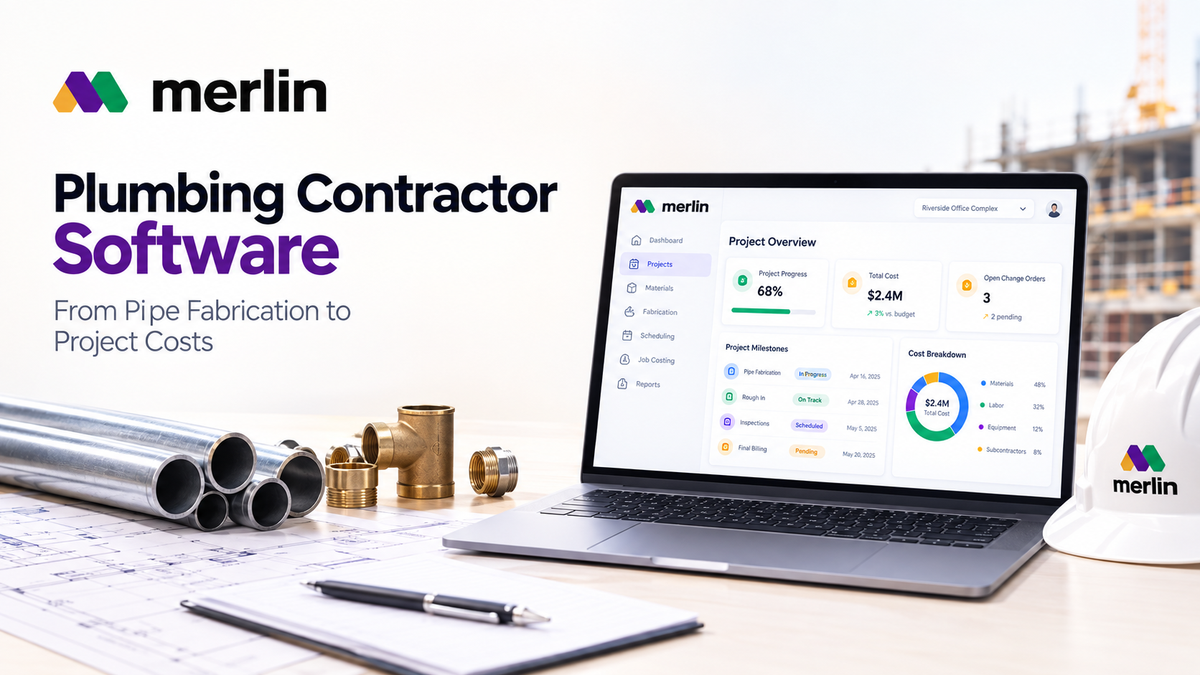
Plumbing Contractor Software for Commercial Construction: From Pipe Fabrication to Project Costs
A commercial plumbing job loses margin one fitting at a time. Here's how plumbing contractor software keeps the estimate, shop, and jobsite on one set of numbers so problems surface while there's still time to fix them.
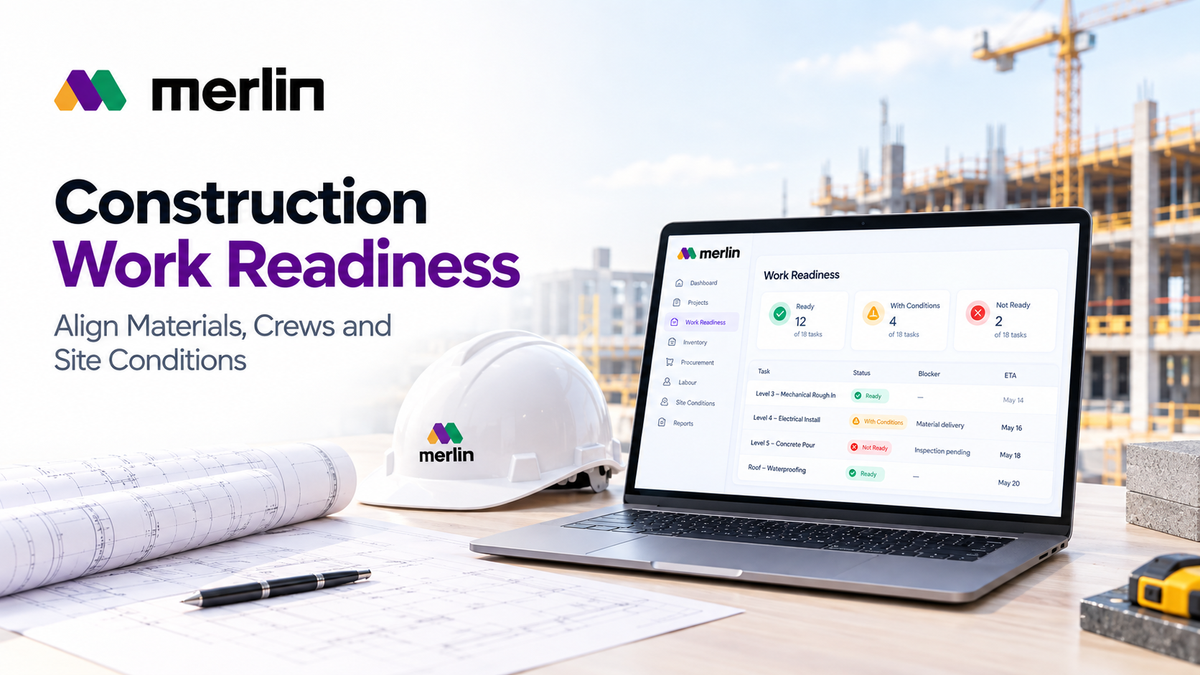
Construction Work Readiness: How Contractors Use ERP to Align Materials, Crews, and Site Conditions
Six people paid to wait on a missing pallet and a pending inspection. Here's how contractors use construction ERP to get materials, crews, and site conditions ready before the shift starts.
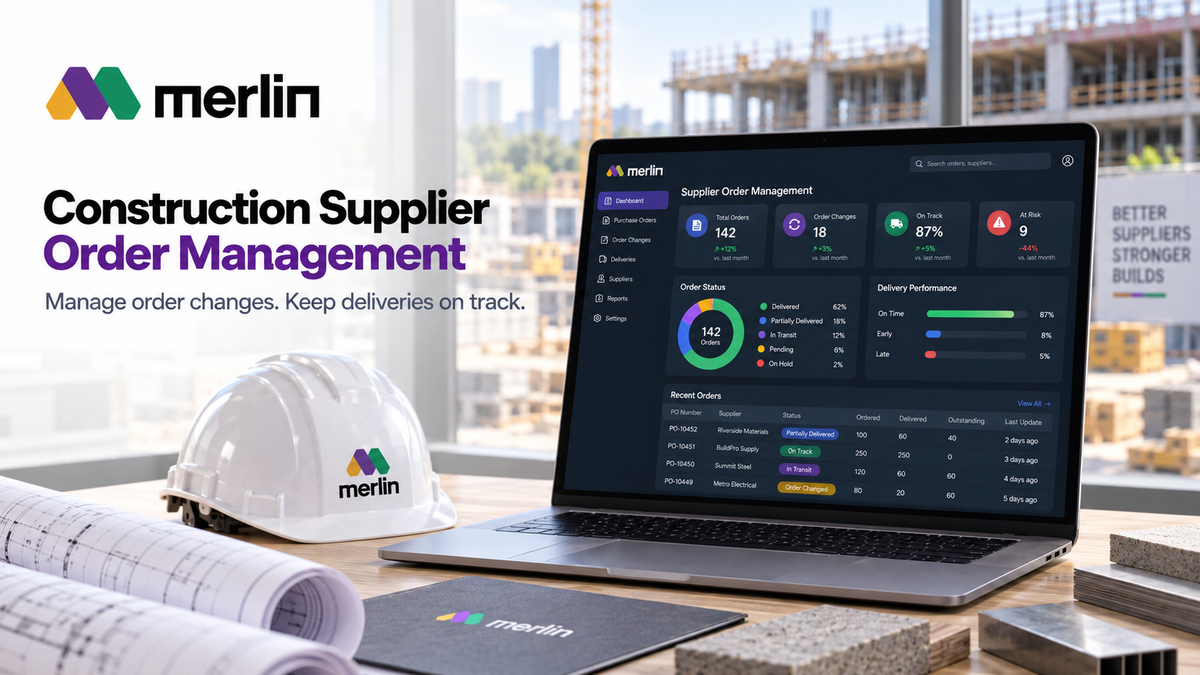
Construction Supplier Order Management Software: Managing Order Changes and Keeping Deliveries on Track
Learn how construction supplier order management software helps suppliers control order changes, staged releases, partial deliveries, outstanding quantities, and fulfilment from confirmation through final delivery.
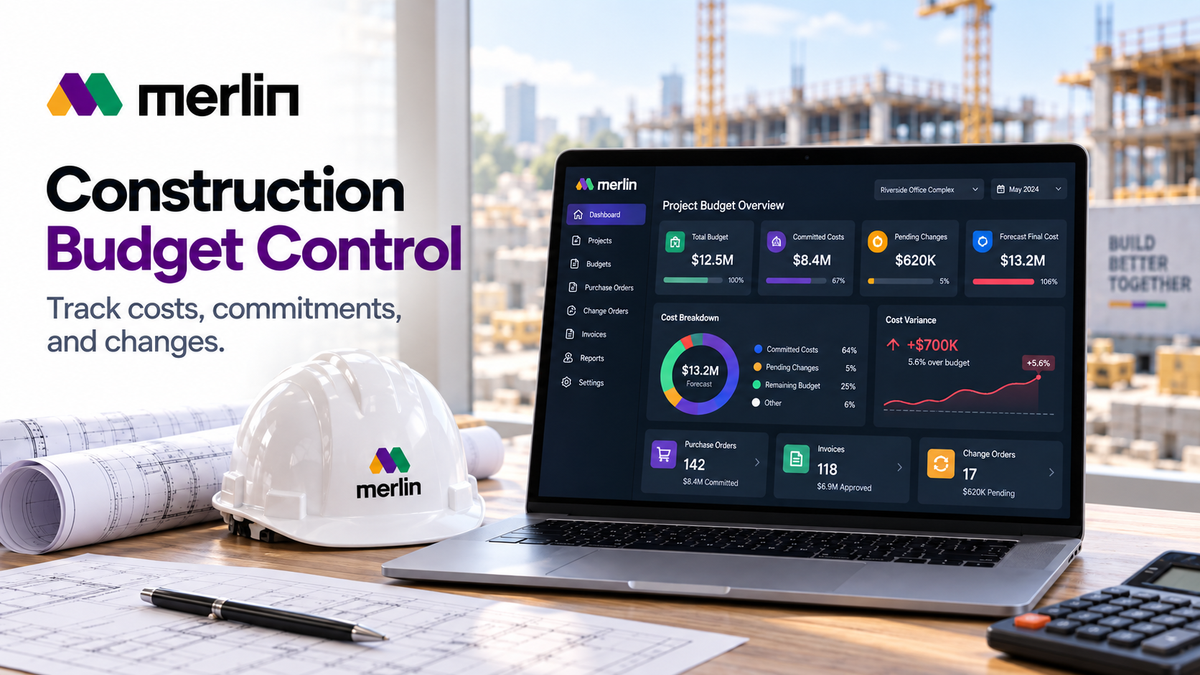
Construction Project Management Software for Budget Control: Managing Costs, Commitments, and Changes
Learn how construction project management software improves budget control by tracking commitments, change orders, invoices, contingency, cost variances, and forecast final costs.
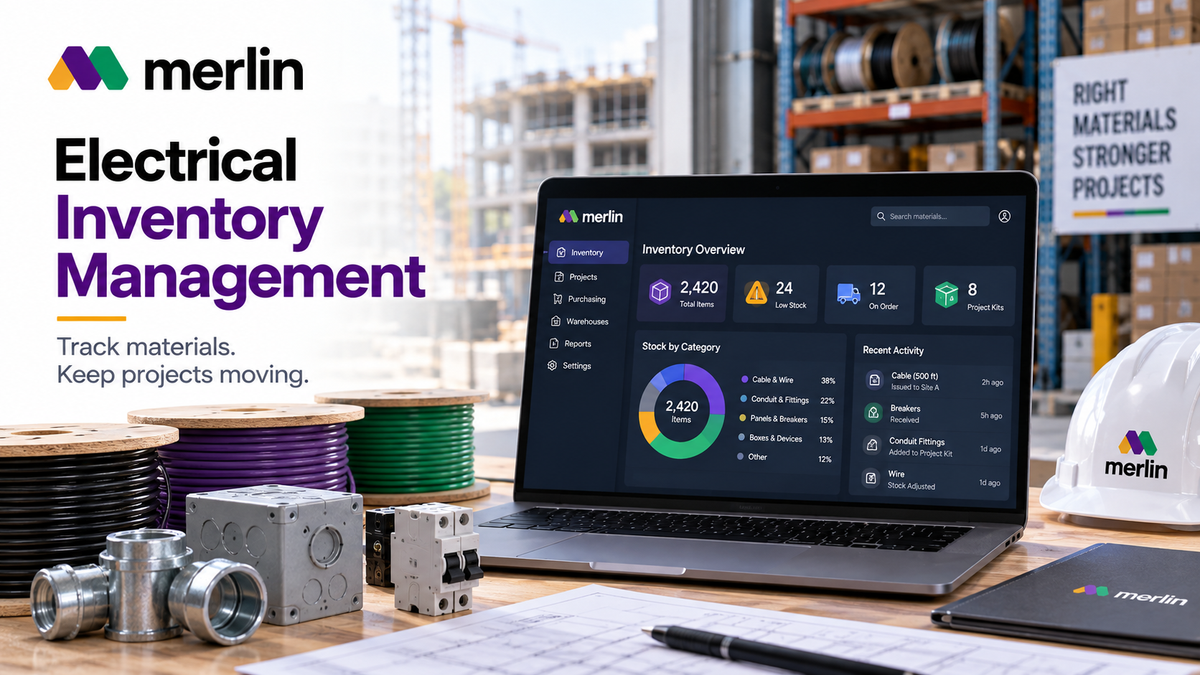
Electrical Inventory Management Software: Managing Cable Stock, Prefab Kits, and Project Material Costs
Learn how electrical inventory management software helps contractors track cable stock, manage prefab kits, control material movement, plan replenishment, and connect inventory with project costs.
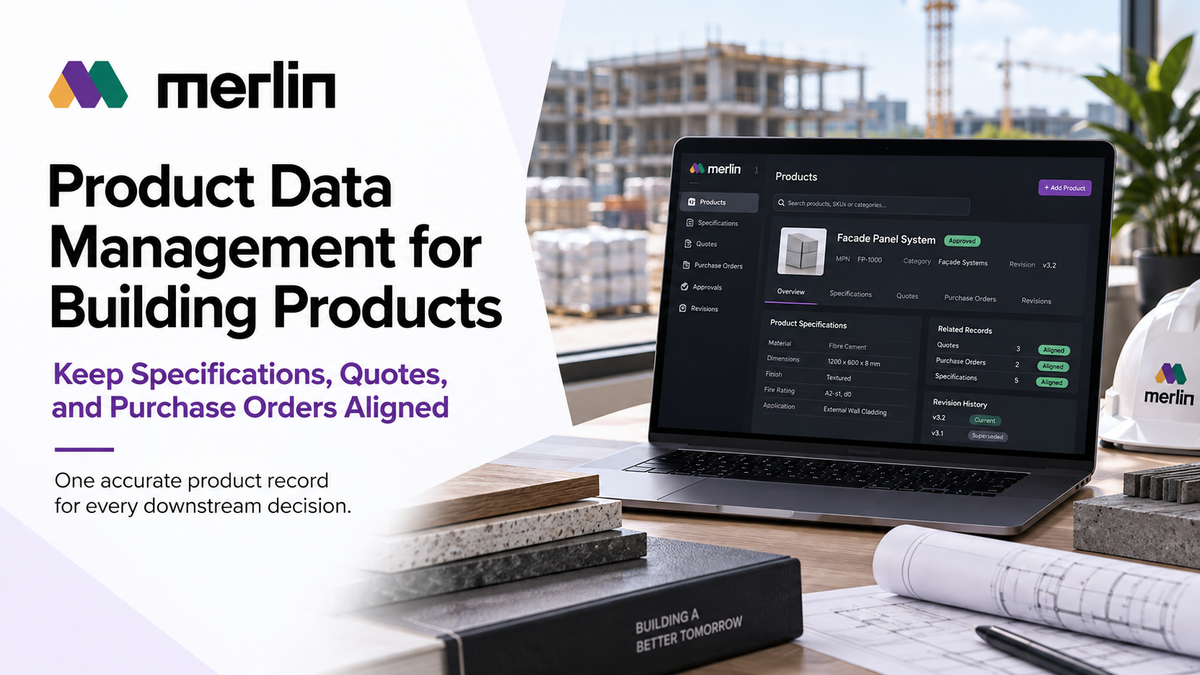
Product Data Management for Building Products: Keeping Specifications, Quotes, and Purchase Orders Aligned
Learn how product data management helps building product suppliers keep specifications, technical documents, RFQ responses, quotes, product revisions, and purchase orders aligned.
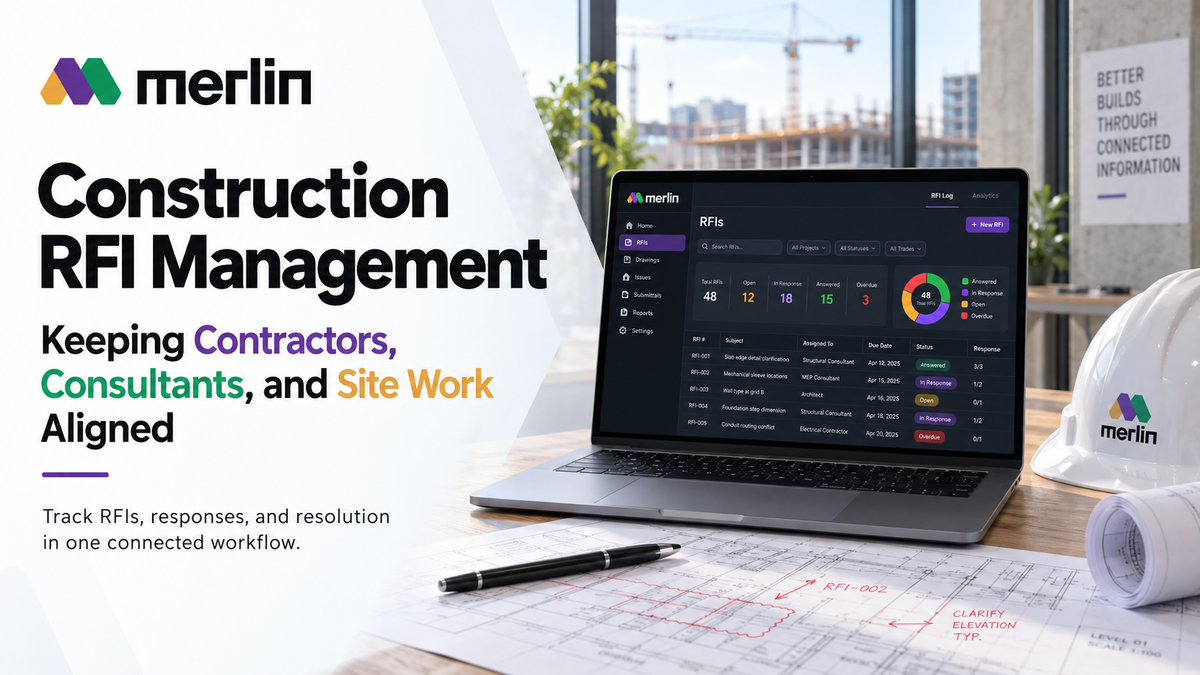
Construction RFI Management: Keeping Contractors, Consultants, and Site Work Aligned
Learn how construction RFI management helps contractors write, submit, track, and resolve RFIs while keeping consultants, procurement teams, and site work aligned.
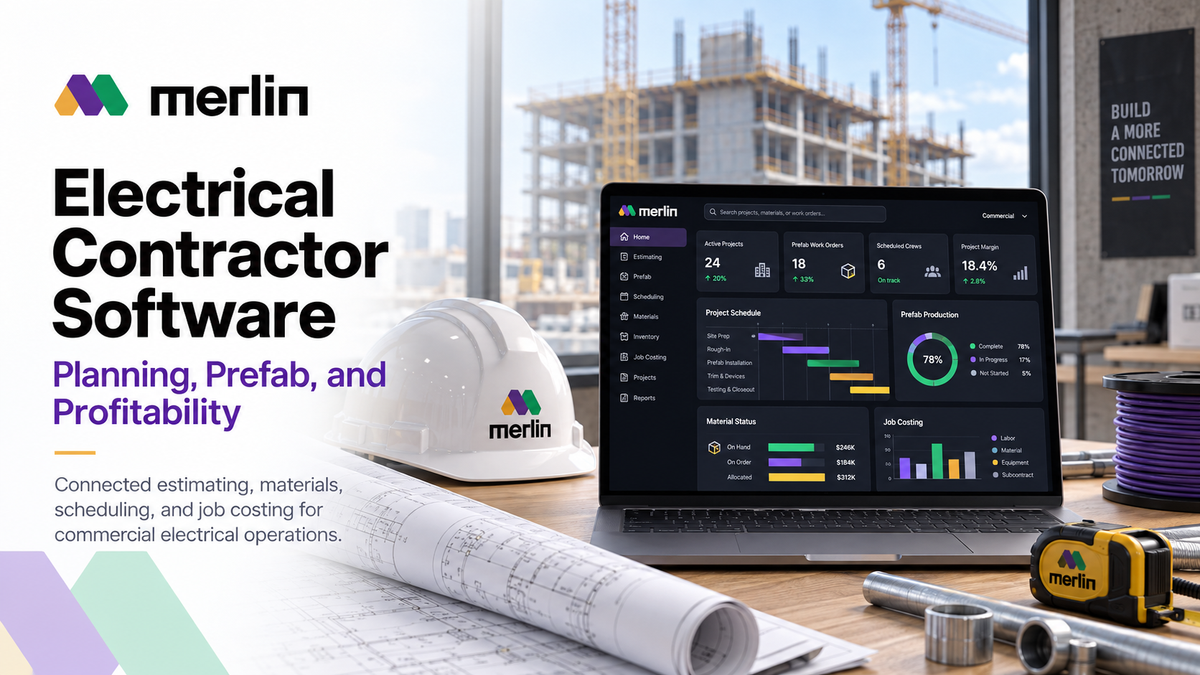
Electrical Contractor Software for Commercial Operations: Planning, Prefab, and Profitability
Learn how electrical contractor software connects estimating, job costing, scheduling, prefabrication, inventory, and field operations to help commercial electrical contractors improve efficiency and profitability.
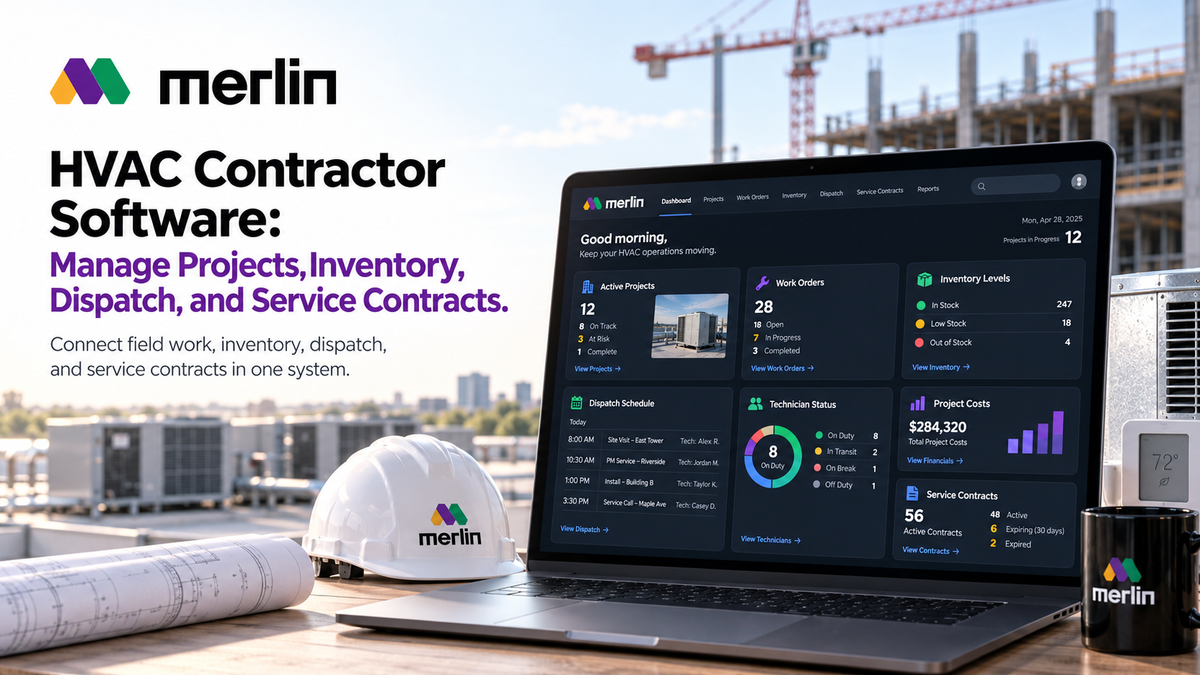
HVAC Contractor Software: How to Manage Projects, Inventory, Dispatch, and Service Contracts
Manage HVAC projects, inventory, field crews, dispatch, and service contracts in one connected system built for growing HVAC contractors.
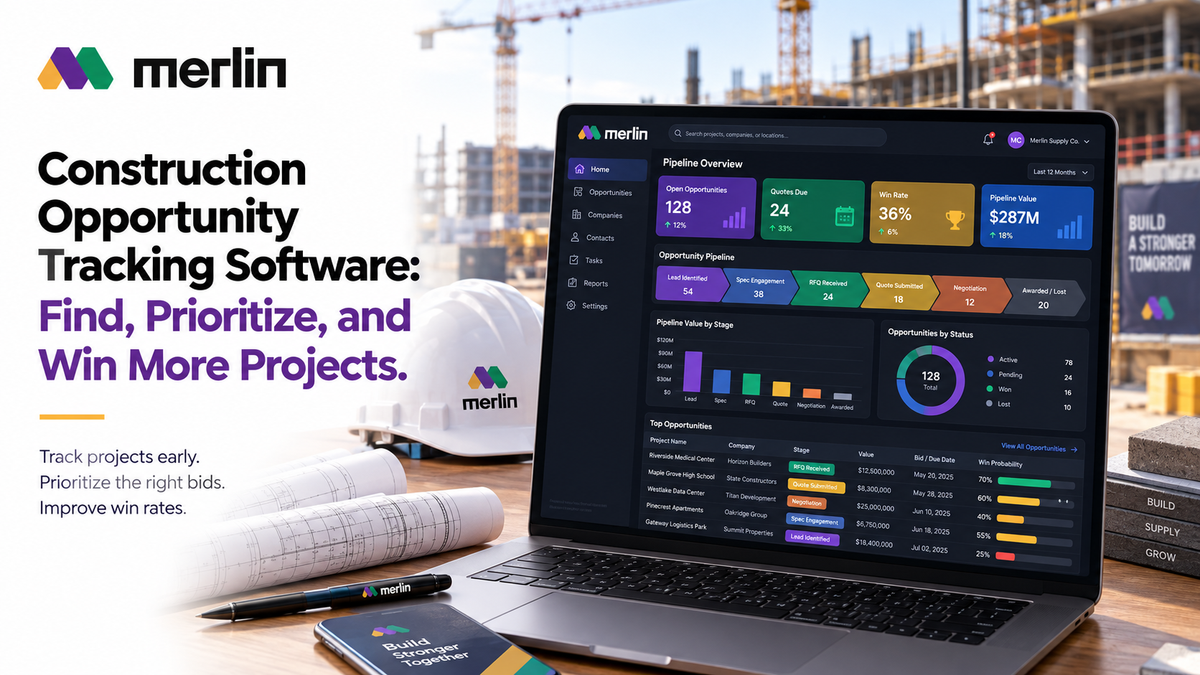
Construction Opportunity Tracking Software: How Suppliers Find, Prioritize, and Win More Projects
Find projects earlier, prioritize the right opportunities, track RFQs, and build a stronger sales pipeline with construction opportunity tracking software.
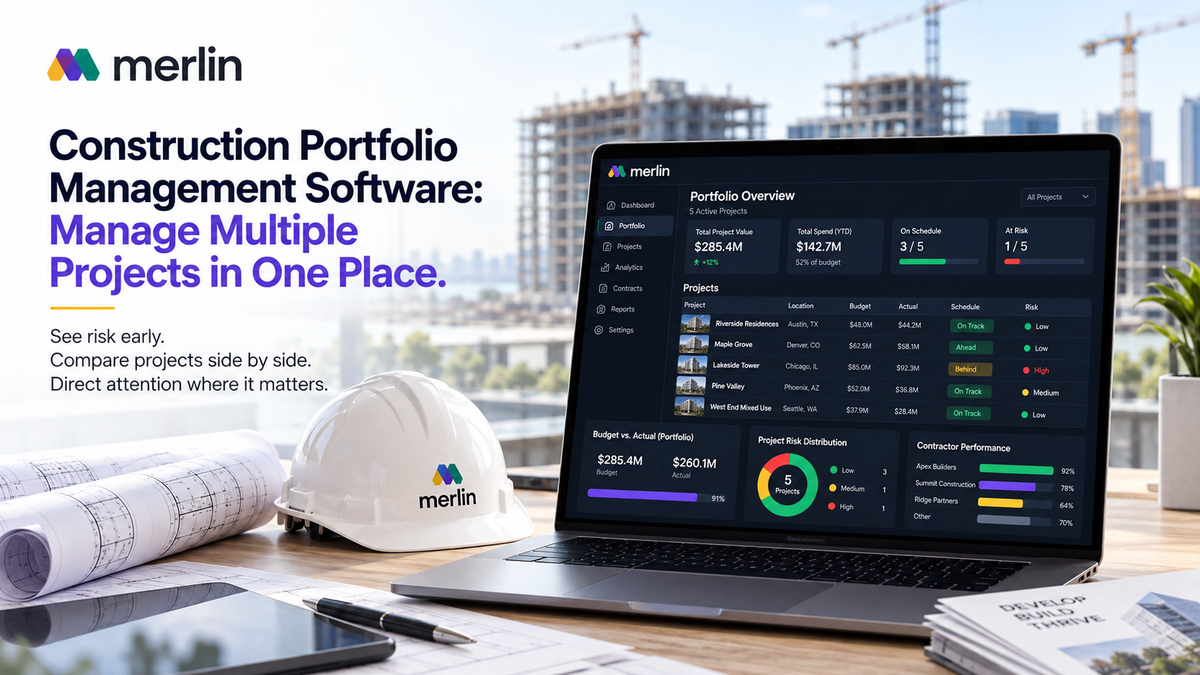
Construction Portfolio Management Software: How Developers Manage Multiple Projects in One Place
Manage multiple construction projects in one place with portfolio-wide visibility into costs, schedules, funding, risks, and contractor performance.
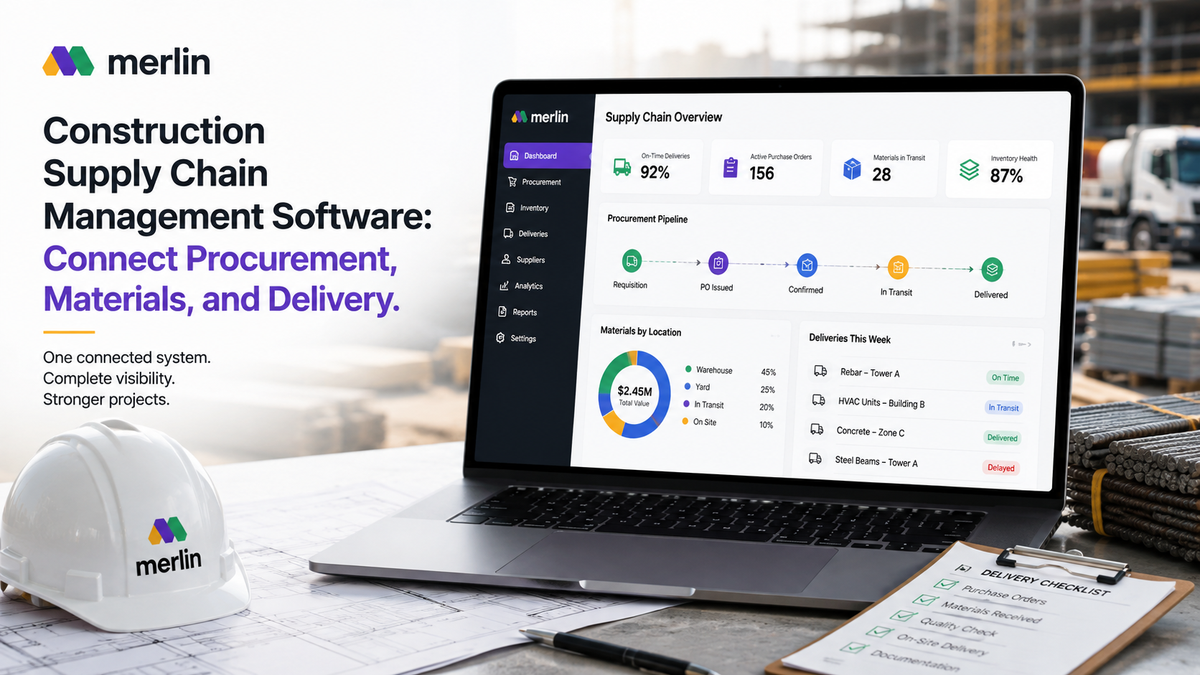
Construction Supply Chain Management Software: How to Connect Procurement, Materials, and Delivery
Learn how construction supply chain management software connects procurement, materials, and delivery to improve visibility, reduce delays, control costs, and keep projects on schedule.
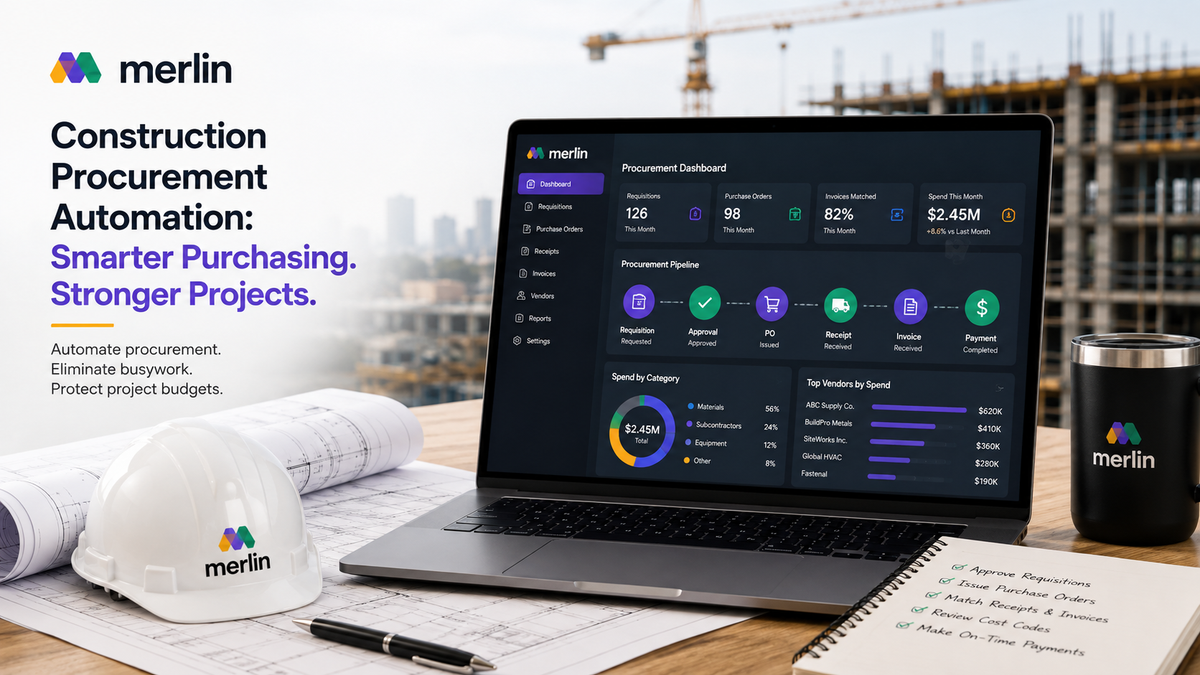
Construction Procurement Automation: Which Purchasing Tasks Should Contractors Automate?
Learn which construction procurement tasks contractors should automate, from purchase requisitions and three-way matching to invoice processing and bid leveling.
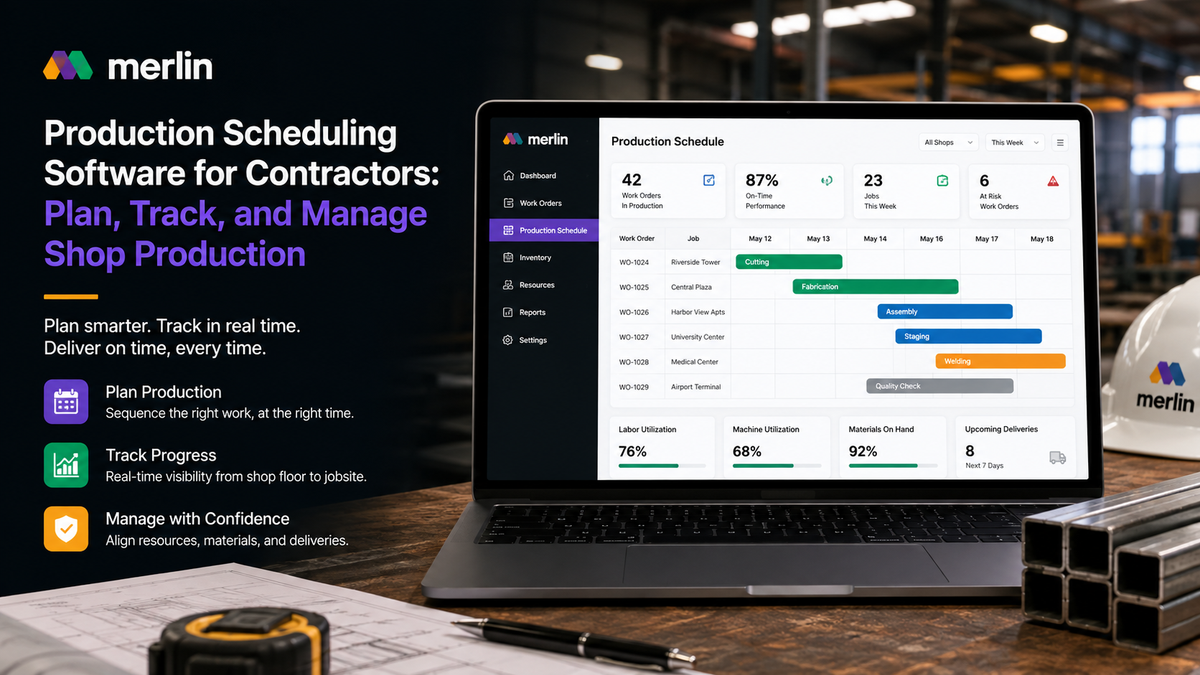
Production Scheduling Software for Contractors: How to Plan, Track, and Manage Shop Production
Discover how production scheduling software helps contractors and fabricators plan shop production, manage capacity, track materials and labor, and keep deliveries aligned with jobsite schedules.
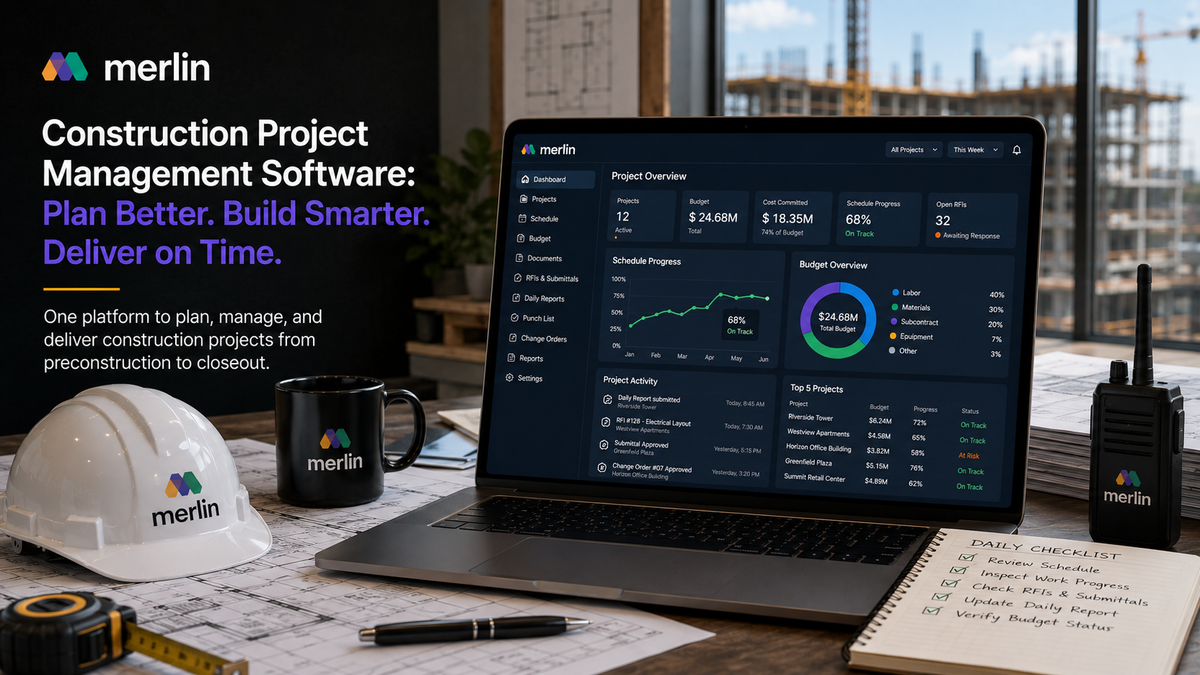
Construction Project Management Software: How to Use It Effectively
Learn how to use construction project management software effectively to connect schedules, budgets, documents, field reporting, and project data across every job.
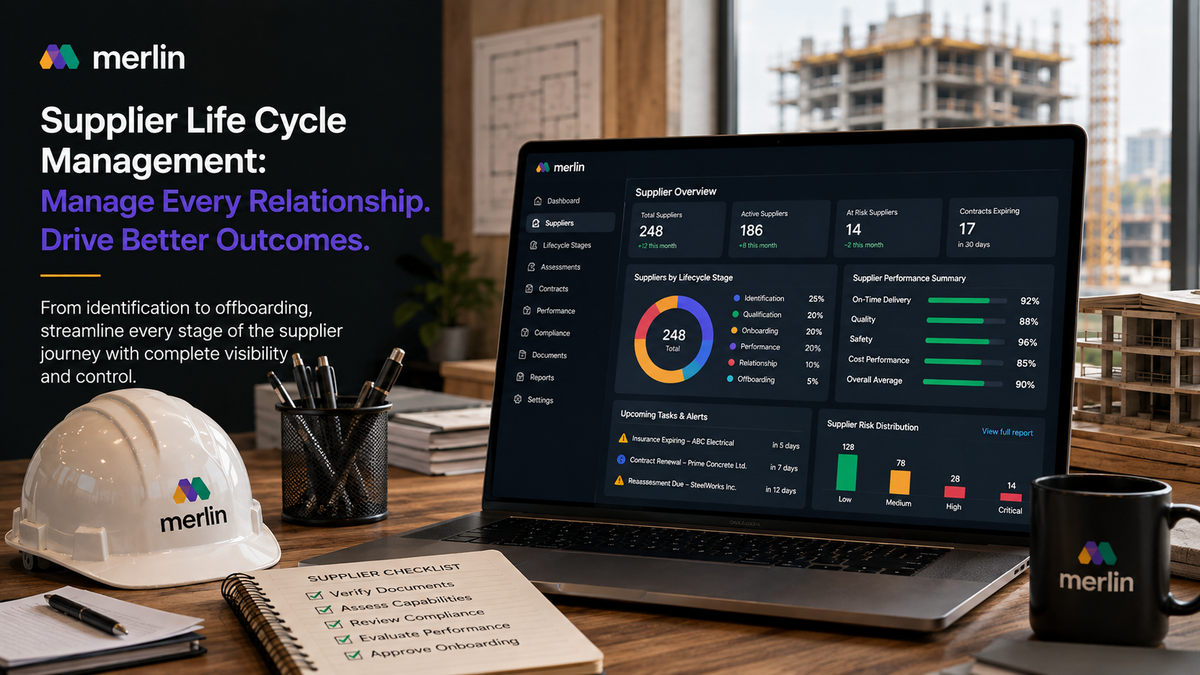
What Is Supplier Life Cycle Management? A Guide to Supplier Lifecycle Management Software
Learn how supplier life cycle management helps construction companies manage suppliers from identification and qualification through onboarding, performance tracking, and offboarding.
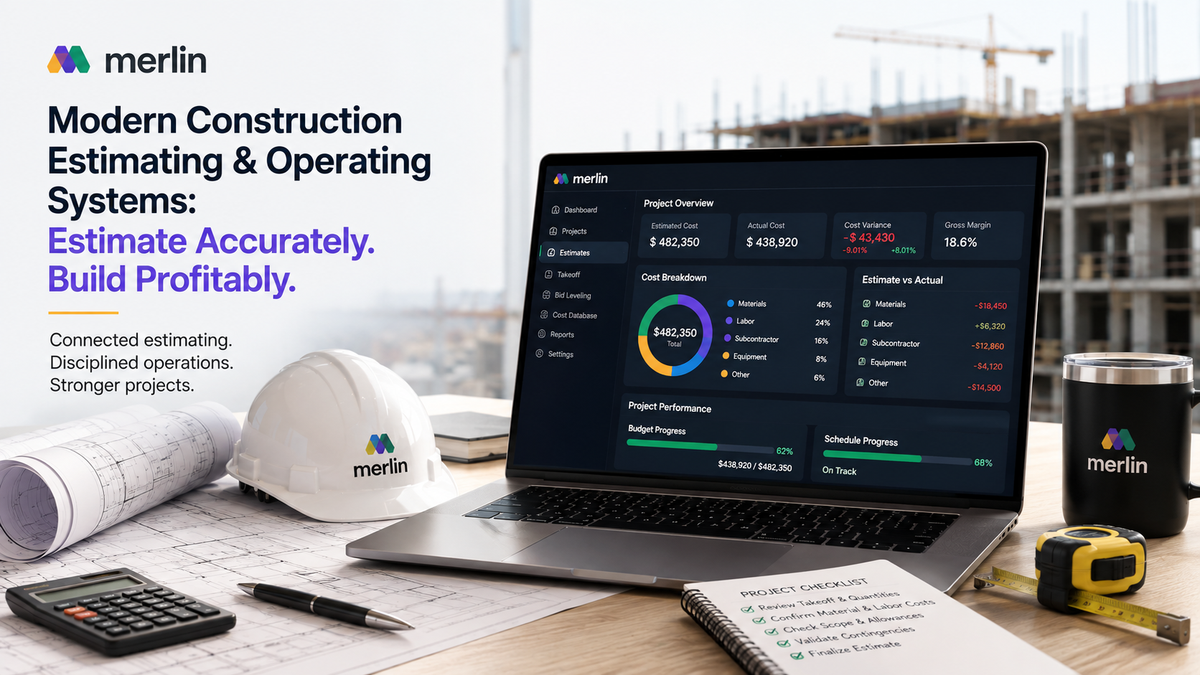
Modern Construction Estimating and Operating Systems: A Practical Guide for Contractors
Modern construction estimating and operating systems connect AI-powered takeoffs, bid leveling, estimating, and field operations to help contractors improve accuracy, control costs, and scale more consistently.
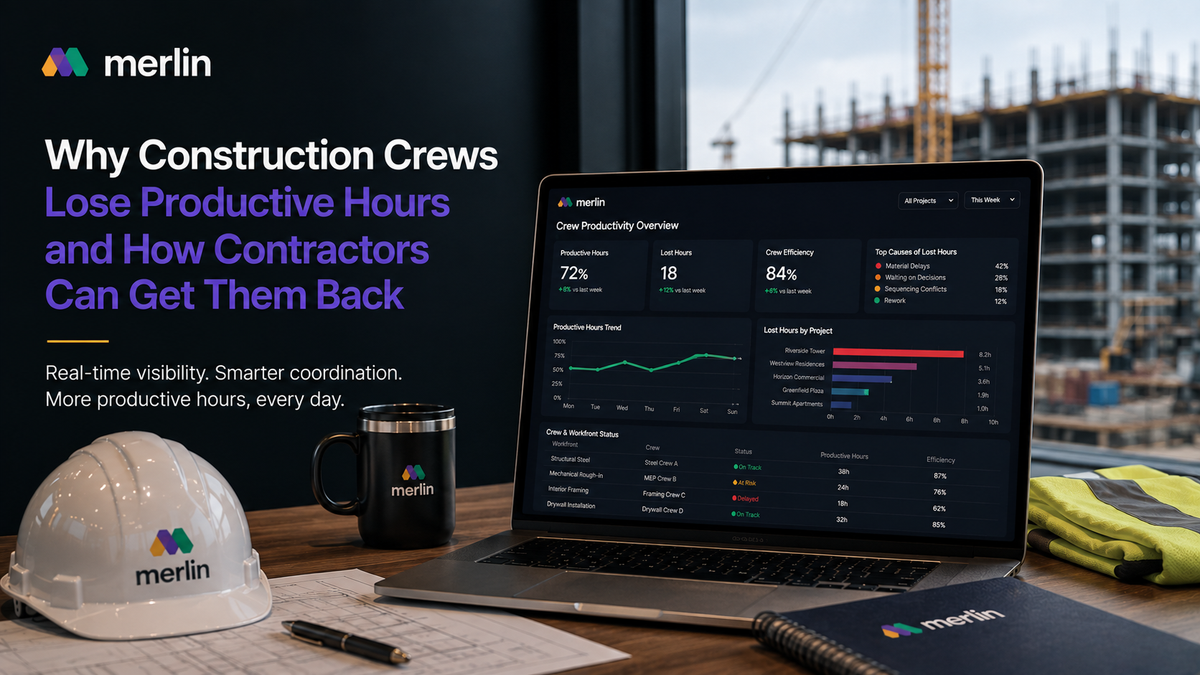
Why Construction Crews Lose Productive Hours and How Contractors Can Get Them Back
Discover how contractors can reduce crew downtime by connecting materials, labour, scheduling, and field operations to recover lost productive hours.
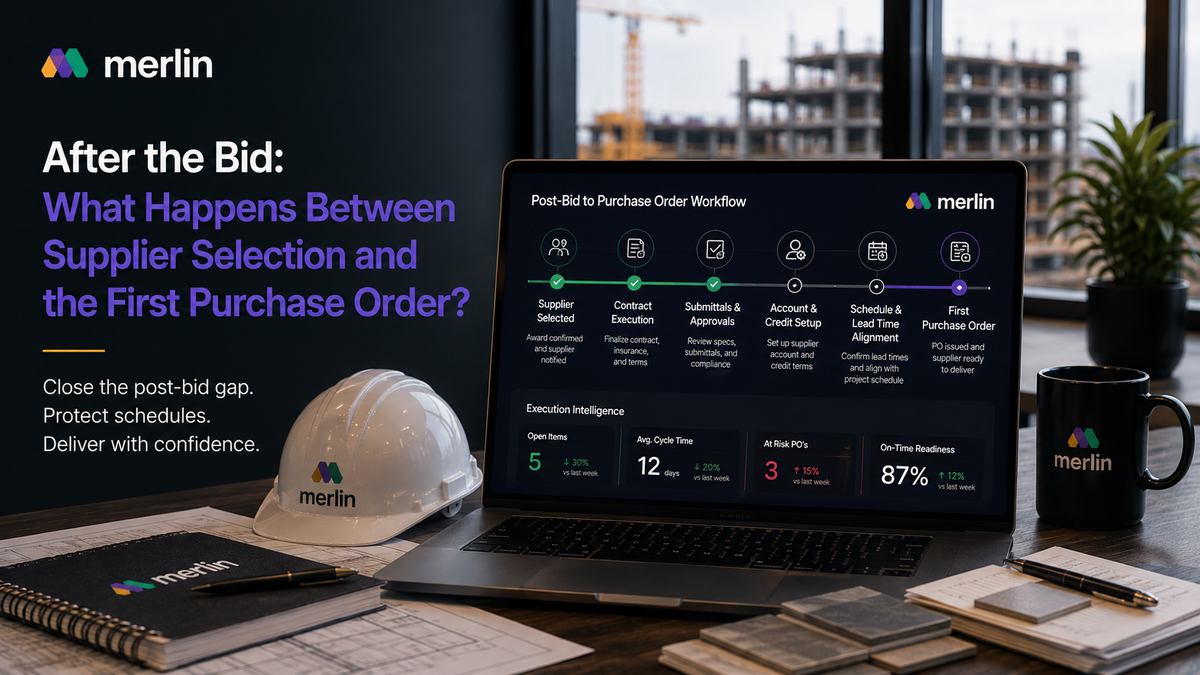
After the Bid: What Happens Between Supplier Selection and the First Purchase Order?
Explore what happens after supplier selection and how contractors can manage contracts, submittals, approvals, and purchase orders without losing schedule certainty.
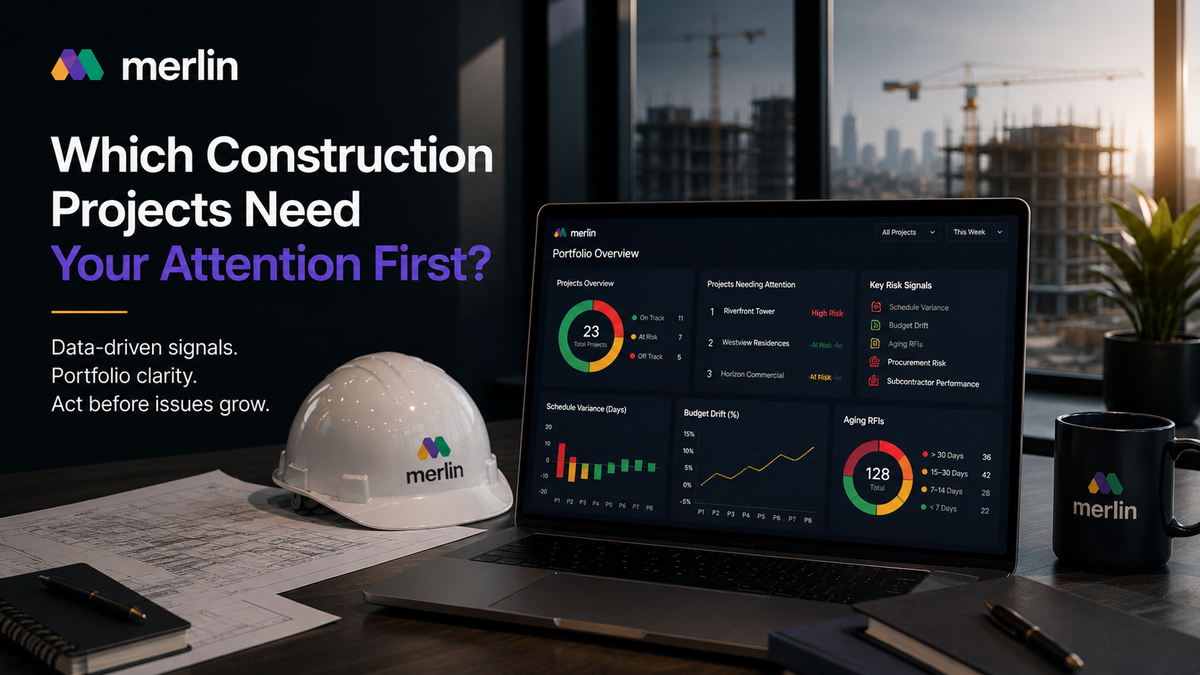
Which Construction Projects Need Your Attention First? A Framework for Owner Teams
A framework for owner teams to rank live projects by urgency, using five signals (schedule variance, budget drift, RFI aging, procurement risk, and subcontractor performance) instead of waiting on weekly status reports.

How Trade Contractors Can Manage Labour, Materials, and Procurement Without Losing Control
Keep crews productive and procurement on track by connecting material requests, purchase orders, and field operations in one workflow.
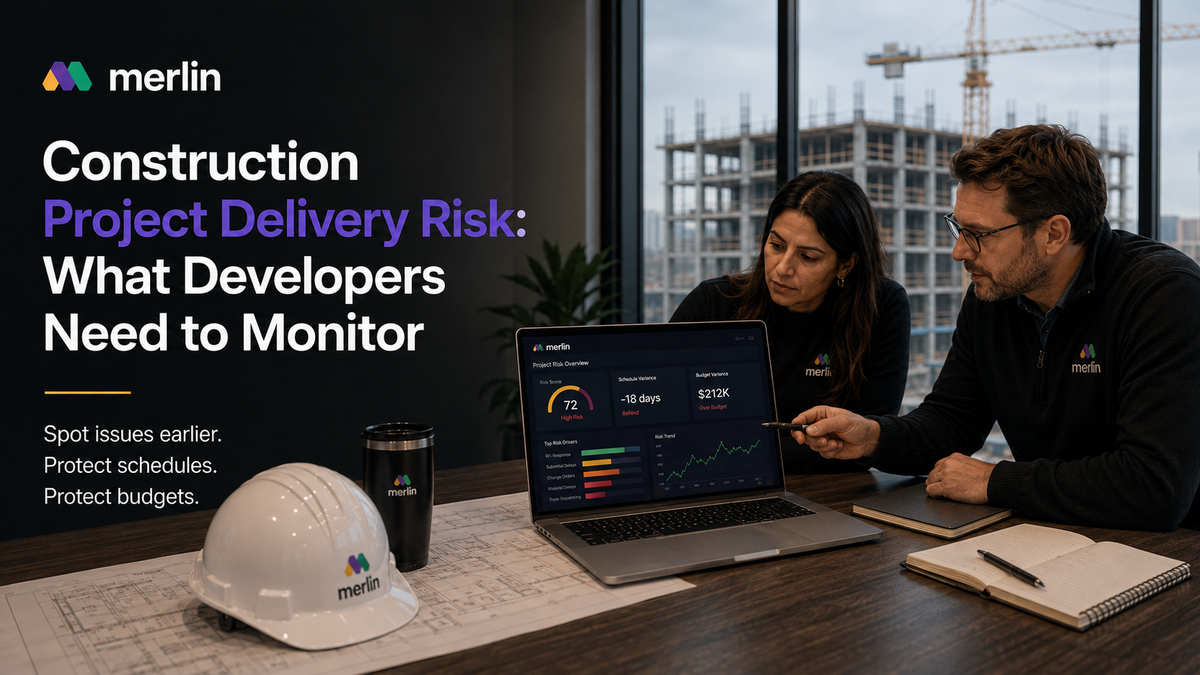
Construction Project Delivery Risk: What Developers Need to Monitor
Learn how developers can identify early warning signs, track delivery risks, and use project data to prevent delays, cost overruns, and missed milestones.

How Construction Teams Can Build and Manage a Supplier Pipeline in One Platform
Build and manage a construction supplier pipeline in one platform to track sourcing, qualification, RFQs, quotes, and supplier performance.
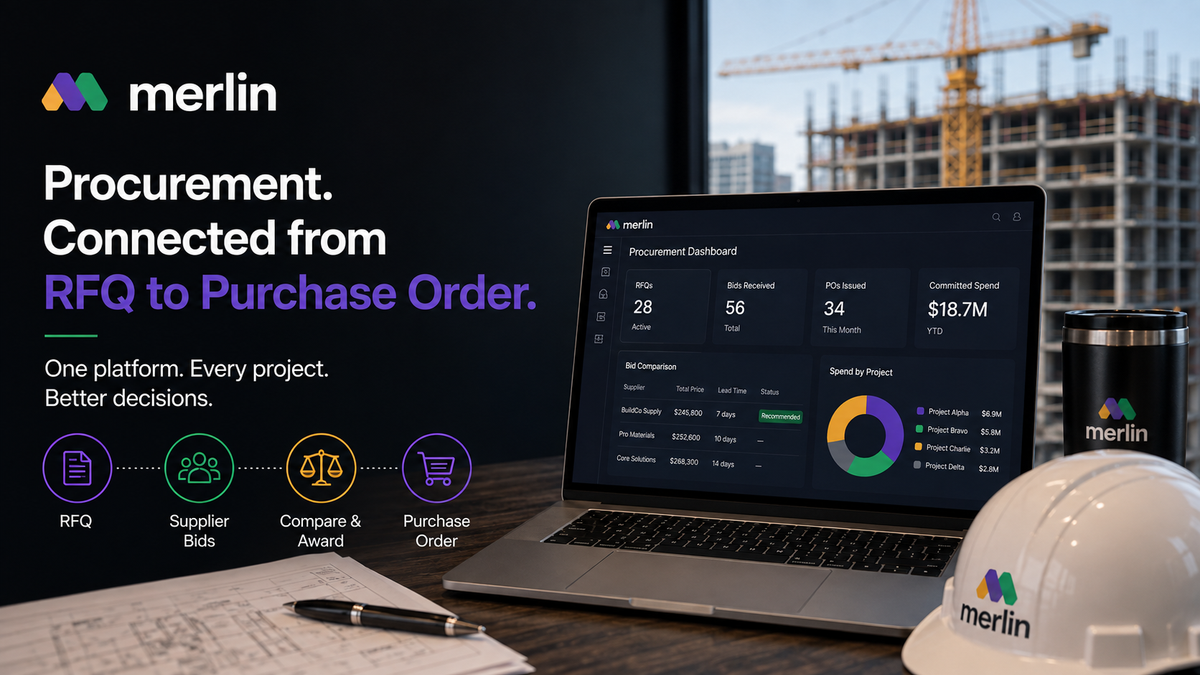
How Modern Construction Teams Manage RFQs, Supplier Bids, and Procurement in One Platform
Manage RFQs, supplier bids, and purchase orders in one construction procurement platform for faster purchasing and better cost control.
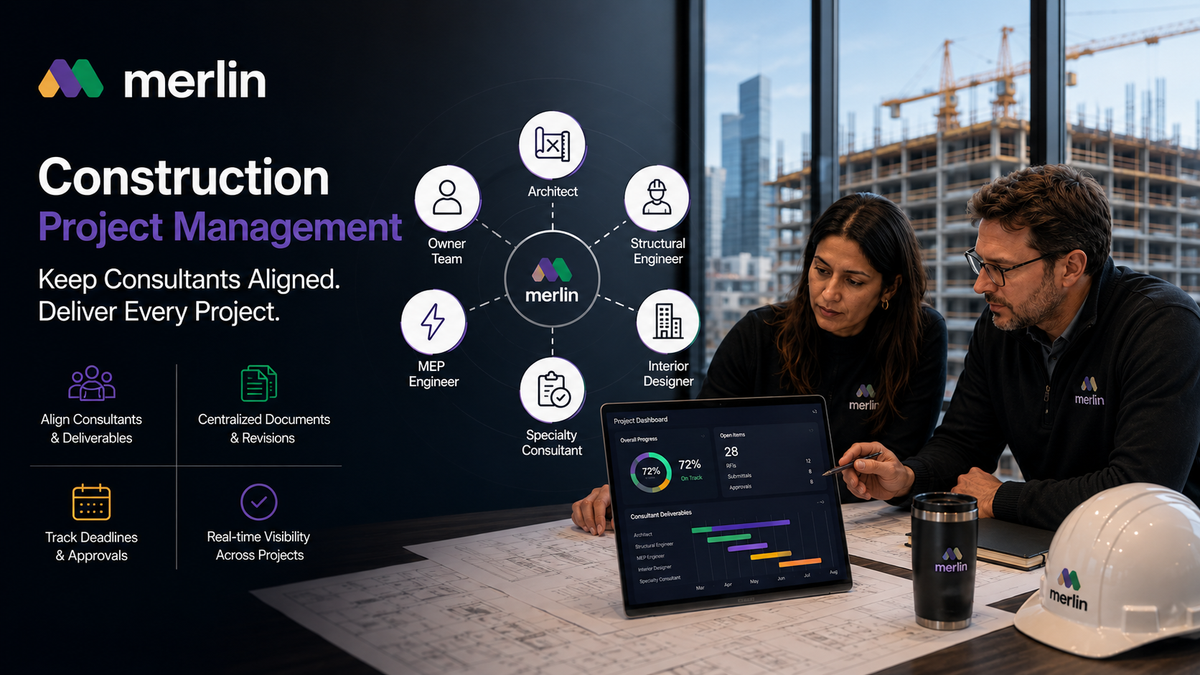
Construction Project Management: How Owner Teams Can Keep Consultants Aligned Throughout Every Project
Keep consultants aligned with construction project management software that improves coordination, document control, and project visibility.
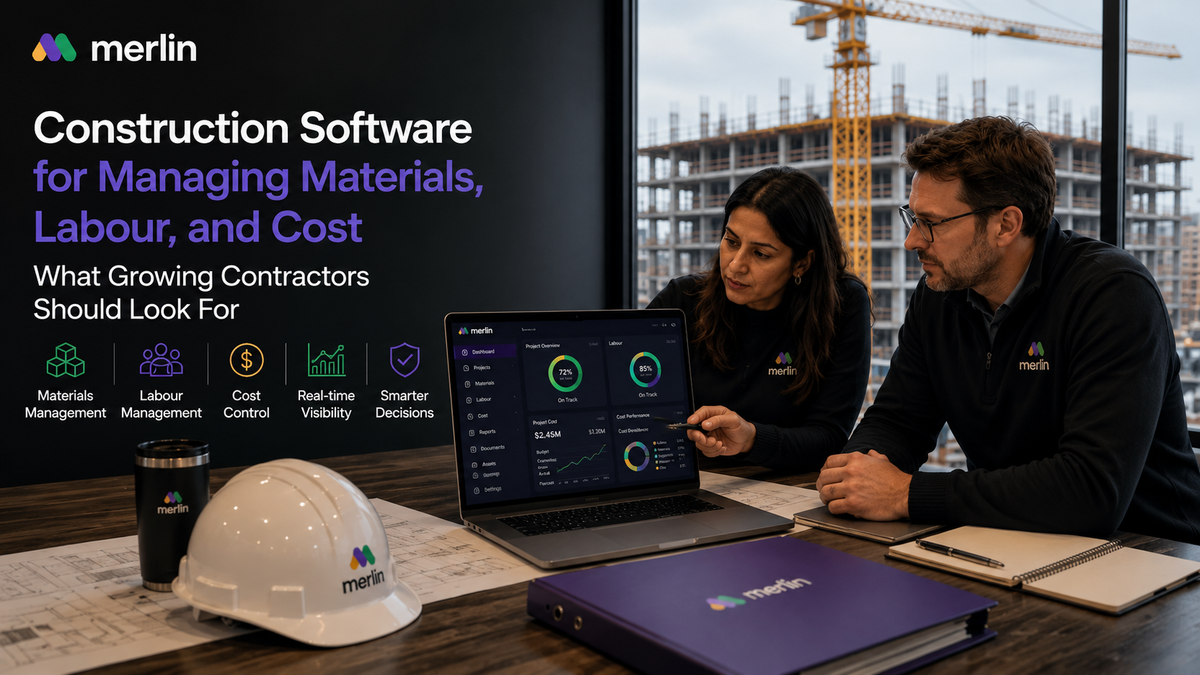
Construction Software for Managing Materials, Labour, and Cost: What Growing Contractors Should Look For
Manage materials, labour, and costs in real time with construction ERP software that improves visibility, controls budgets, and keeps projects on track.

Metal, MEP, and Structural: How Specialist Fabricators Get Earlier Visibility Into Construction Projects
Learn how metal, MEP, and structural fabricators gain earlier visibility into construction projects, connect with buyers, and secure better opportunities.

Why More Developers Are Bringing Construction Procurement In House
Learn why developers are bringing construction procurement in house to improve visibility, reduce risk, control costs, and scale projects confidently.

From Projects to Production: What an AI Operations Platform Actually Does for Trade Contractors
Move from managing individual projects to production-scale operations with an AI platform that streamlines resources, predicts delays, and improves efficiency.
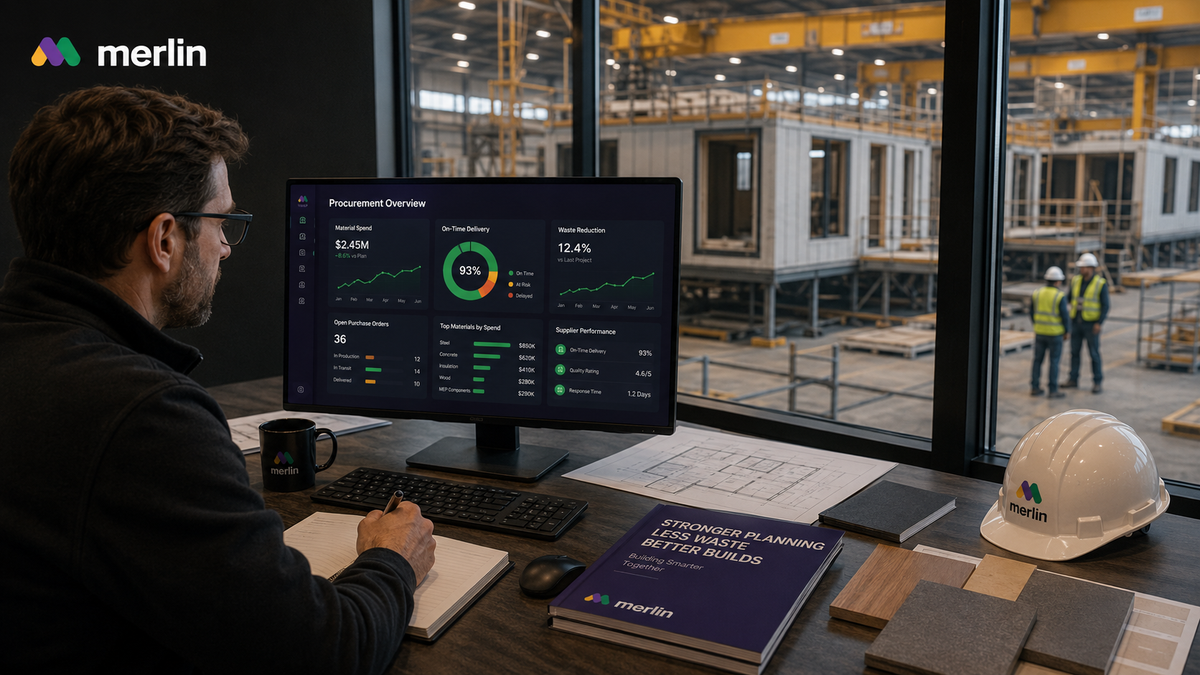
How Better Procurement Planning Reduces Material Waste in Modular Construction
Reduce material waste in modular construction with better procurement planning, smarter material management, and improved supplier coordination.
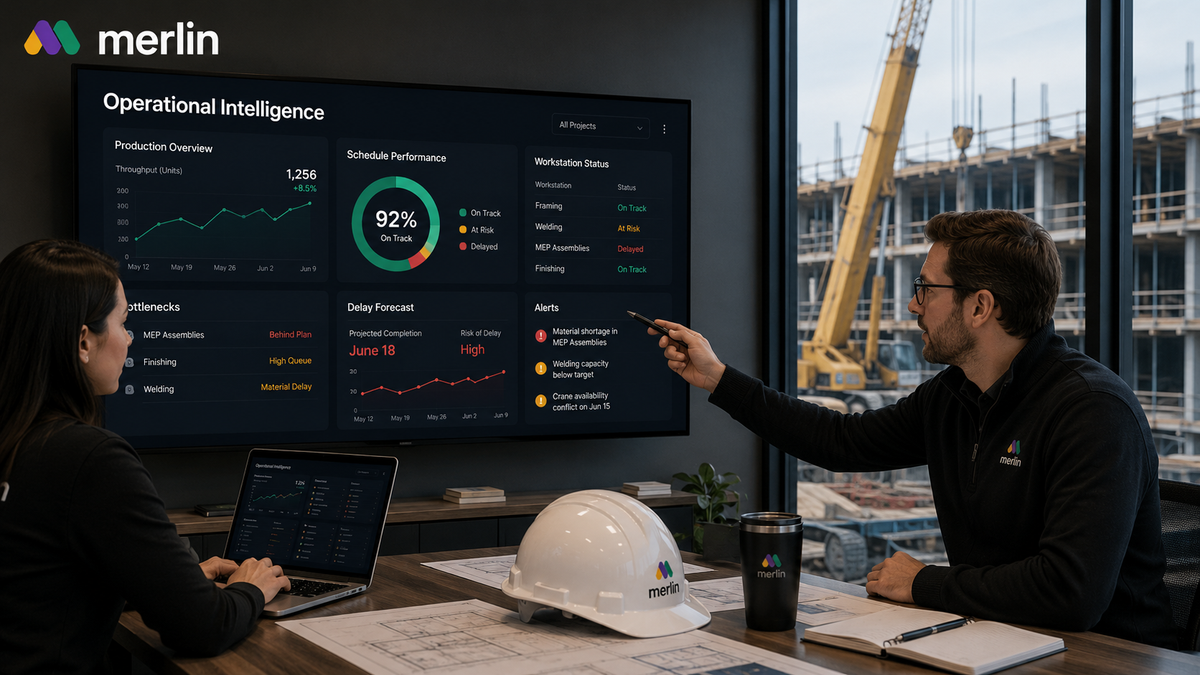
The Intersection of Technology and Construction: Operational Intelligence Explained
Learn how construction operational intelligence uses real time data to improve production performance, reduce delays, and optimize factory operations.
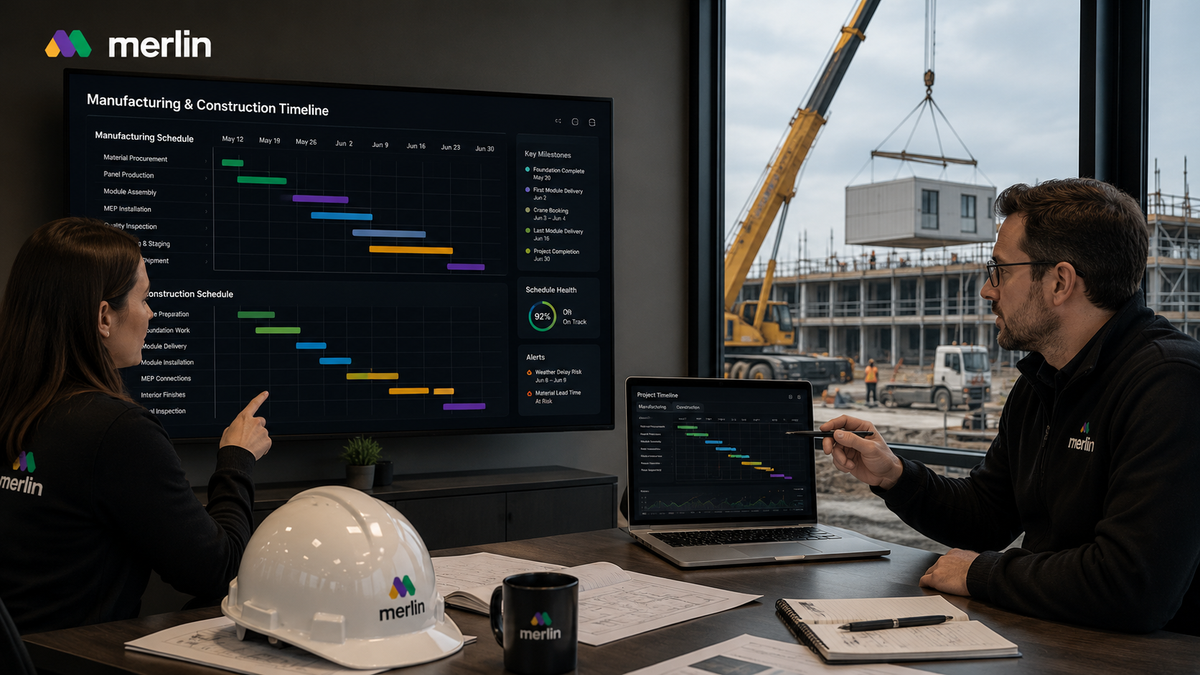
How to Synchronize Manufacturing Schedules with Construction Timelines
Learn how procurement planning reduces material waste in modular construction by improving purchasing decisions, inventory management, material tracking, and coordination across the construction supply chain.
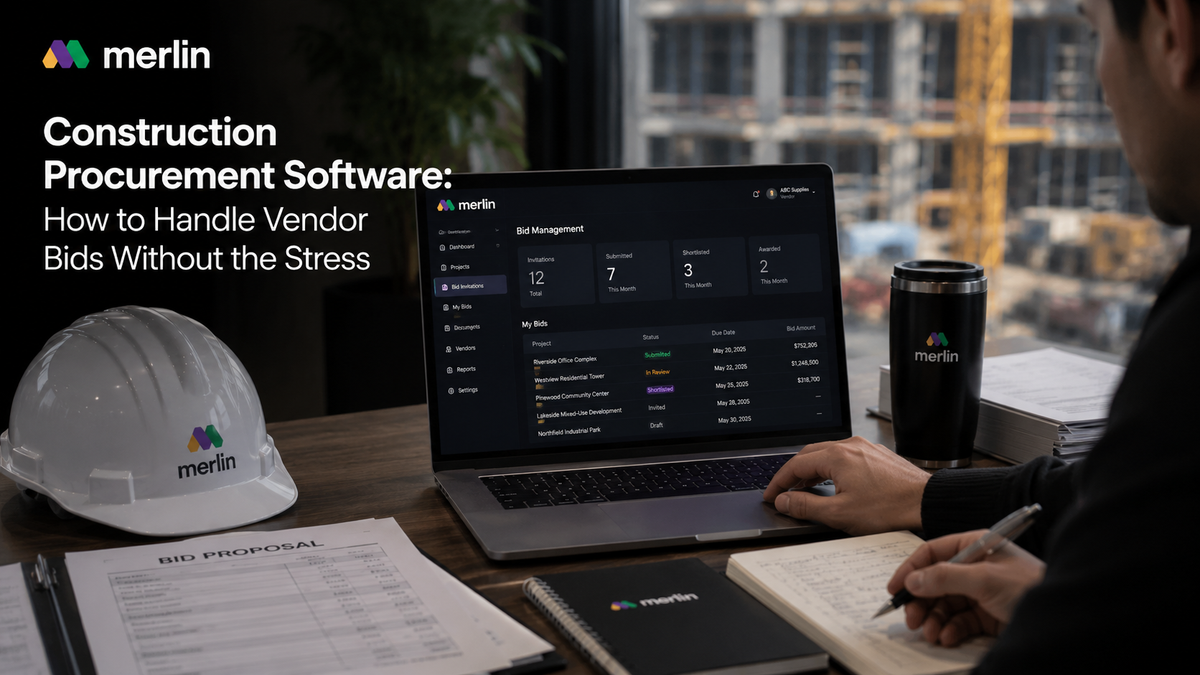
Construction Procurement Software: How to Handle Vendor Bids Without the Stress
A bid rarely fails on price alone. See how construction procurement software evaluates vendor bids and how to submit stronger ones every time.
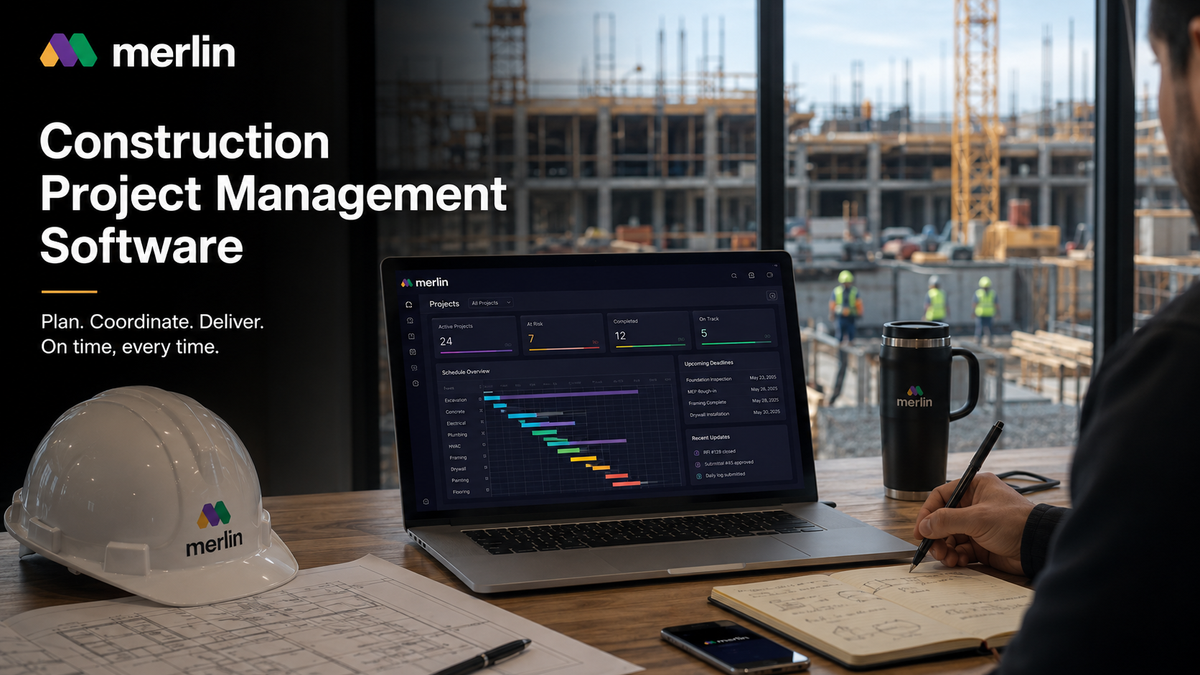
Construction Project Management Software: What It Is and How to Choose the Right Fit
Ten people, ten definitions. Here's what construction project management software actually is, how it differs from ERP, and how to find the right fit.
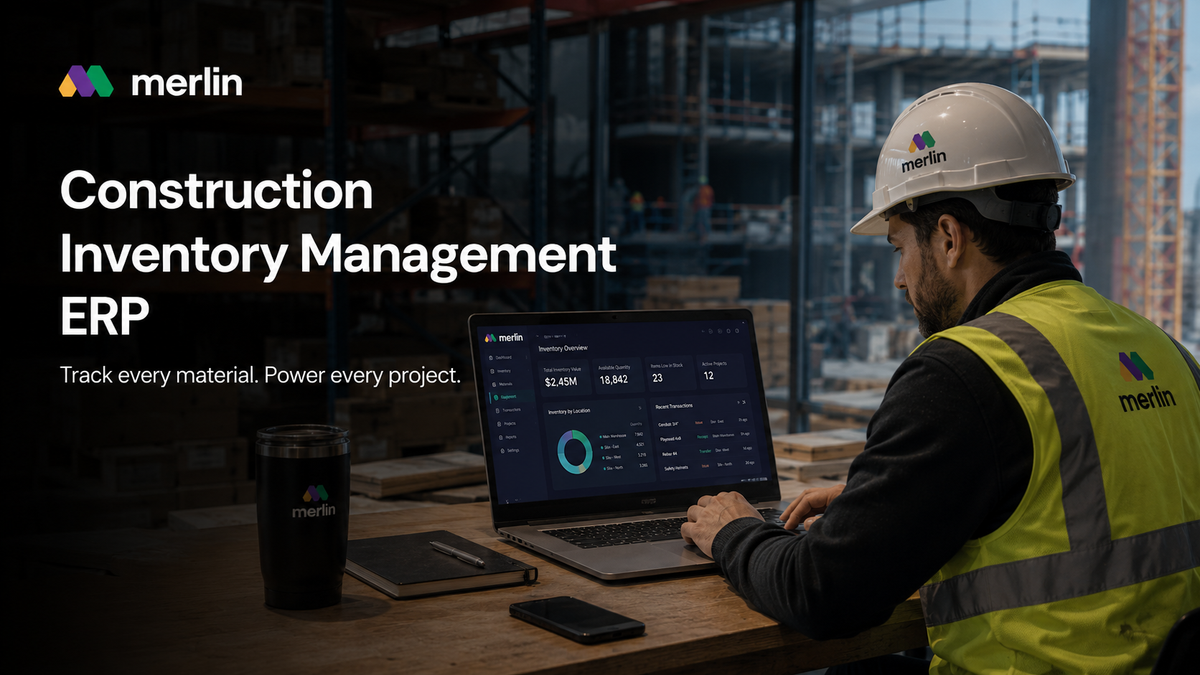
Construction Inventory Management ERP: What It Is and Why It Matters for Contractors
Contractors lose crew-days to missing materials. See what construction inventory management ERP is, why it's different, and what it fixes.
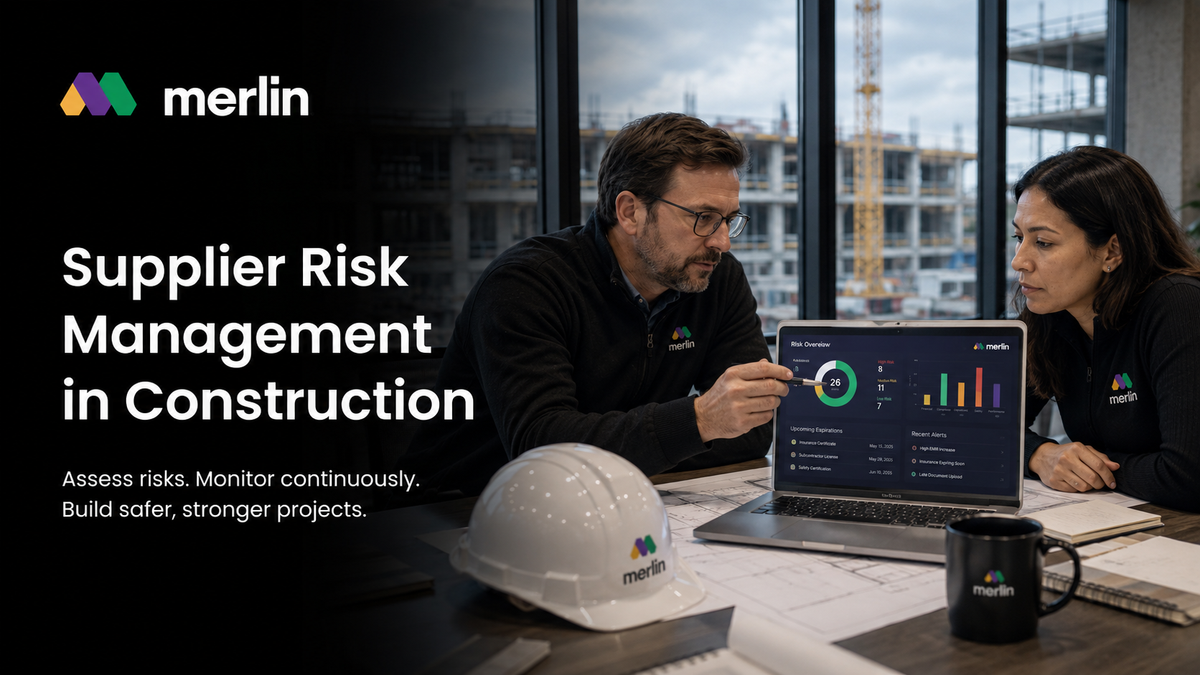
Supplier Risk Management for Construction: What Owners and GCs Should Be Watching
A single unreliable supplier lapsed insurance, a late fabricator, shaky financials can derail a project. Here's how owners and GCs manage that risk.

Repeatable Buildings Need Repeatable Schedules: AI-Powered Construction Scheduling
Repeatable buildings still get scheduled from scratch every time. Here's how AI-powered scheduling learns from past builds to close that gap.
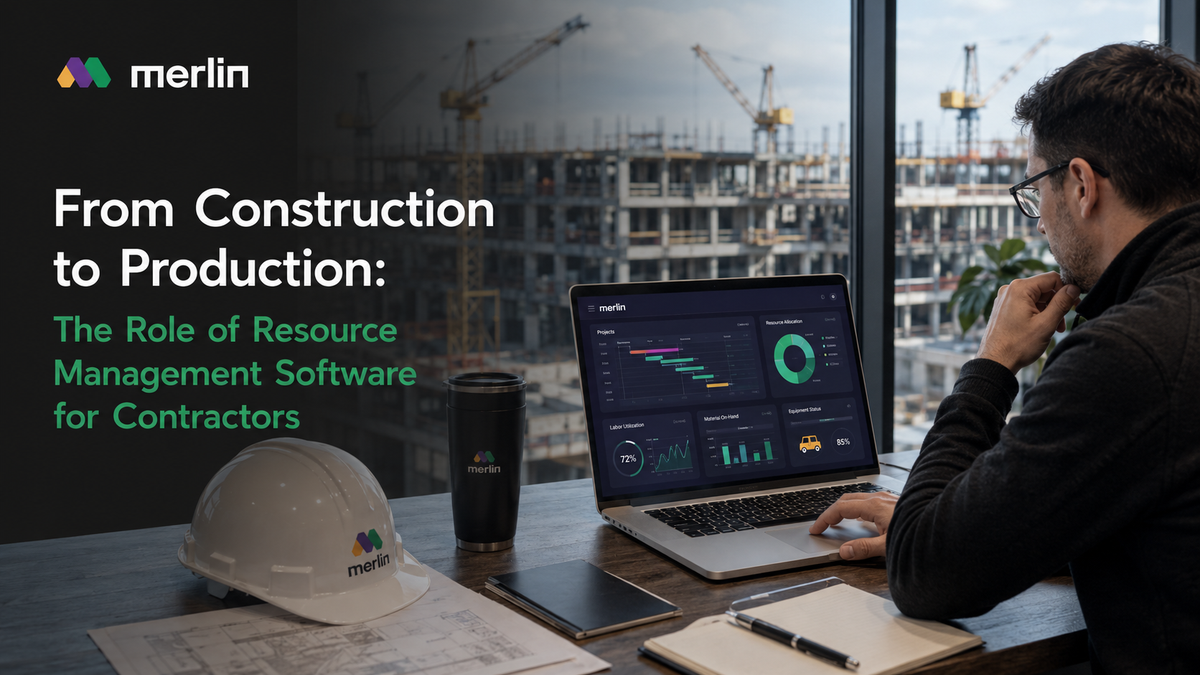
From Construction to Production: Why Resource Management Software Matters for Contractors
Contractors scaling past a few projects hit the wall manufacturers solved decades ago. What resource management software does and how to choose it.
Supplier Relationship Management Software for Construction: Beyond the Spreadsheet
Discover why construction companies outgrow spreadsheets and how supplier relationship management software improves supplier performance, procurement, pricing visibility, and project delivery.

Why Developers Don't Actually Build Buildings: Construction PM Software vs. Supply Chain Coordination
Discover why construction project management software alone isn't enough and how supply chain coordination helps developers deliver projects on time and on budget.

How Construction Estimating Software Connects to Production Planning
Learn how connecting construction estimating software with production planning improves cost tracking, material planning, labour management, and project profitability.

Subcontractor Management for Developers: How to Run Trades Without Losing Control of Your Programme
Most delays and disputes trace back to coordination gaps developers assumed their main contractor was covering. Here's how to manage subcontractors so problems surface early.

Construction Supplier Pricing Strategy: How to Price Building Products Without Losing the Job or the Margin
Learn how construction suppliers can build a pricing strategy that protects margins, wins profitable projects, manages tender pricing, and improves long-term customer profitability.

Labour Cost Tracking for Contractors: How to Know Where Your Hours Are Going
Most contractors track labour hours but not where they actually go. Here's how to build a labour tracking system that connects hours to work orders, output, and real-time variance review.

From One Project to Many: How Suppliers Turn First-Time Buyers Into Repeat Customers
Suppliers can turn first-time construction buyers into repeat customers by following up, tracking future projects, and staying visible between orders.

Why Standardized Specs Reduce Change Orders Across Repeat Developments
Standardized specs help developers reduce change orders across repeat projects by removing ambiguity, controlling spec drift, and keeping teams aligned.
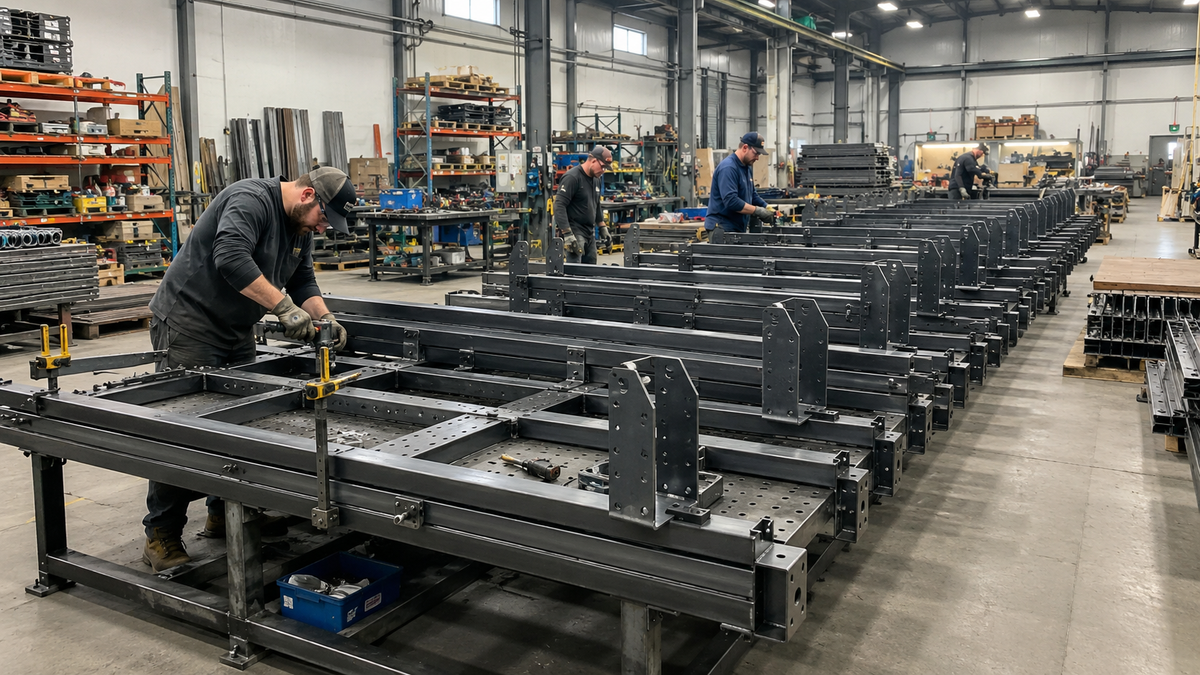
Batch Production for Contractors: Why Repeatable Work Beats One-Off Builds
Contractors can improve shop efficiency by turning repeatable components into batch-produced assemblies instead of treating every build as custom.

Getting Specified Early: How Suppliers Can Influence Projects Before the RFQ Stage
Suppliers can win more construction work by influencing specifications early, building design-team relationships, and showing up before RFQs are issued.

Multi-Site Visibility: How Developers Track Progress Across Projects Without Constant Site Visits
Developers can track progress across multiple projects by using structured, real-time visibility that surfaces delays, budget drift, and open issues early.

How to Schedule Shop Production Without Slowing Down Jobsite Delivery
Contractors can keep shop production aligned with jobsite delivery by connecting install dates, shop queues, capacity, materials, and buffers in one schedule.

How to Sell Building Products to Developers — Not Just GCs
Building product companies can grow beyond contractor sales by building developer relationships that influence specifications across full project portfolios.

How Fabricators Can Find More Construction Work Without Relying on Cold Calls
Fabricators can grow beyond cold calls by getting into approved supplier lists, project procurement workflows, and RFQ platforms that create steady demand.

How to Deliver 10 Buildings the Same Way: A Practical Guide to Repeatable Project Delivery
Repeatable project delivery helps developers build similar projects with stronger supply chains, standardised scopes, and better coordination.

Owner-Led Procurement: Why Developers Are Taking Control of Construction Purchasing
Owner-led procurement helps developers control suppliers, pricing, timelines, and project risk across repeat construction programmes.

Inventory Management for Contractors: How to Move From Jobsite Ordering to Warehouse Control
Contractors can reduce shortages, waste, emergency orders, and delays by shifting from jobsite ordering to integrated warehouse inventory control.
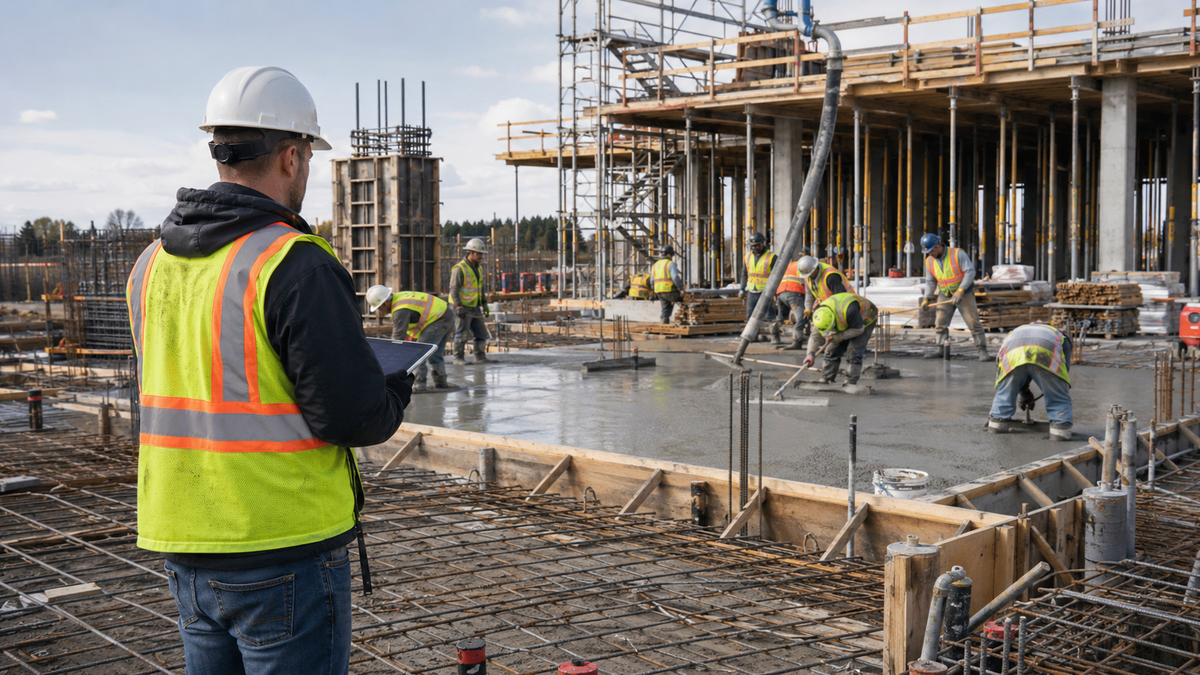
The Rise of Self-Perform Construction: How GCs Are Taking Work In-House
General contractors are building self-perform teams to reduce subcontractor dependency, control schedules, improve margins, and manage production better.

How to Get More RFQs as a Construction Supplier (Without Cold Calling)
Suppliers can get more construction RFQs by entering active procurement workflows, responding faster, and making their capabilities easy to find.

Route to Market for Building Products: How Suppliers Get Into Projects Consistently
Construction suppliers need more than relationships and cold outreach. A scalable route to market means being present in live procurement workflows.
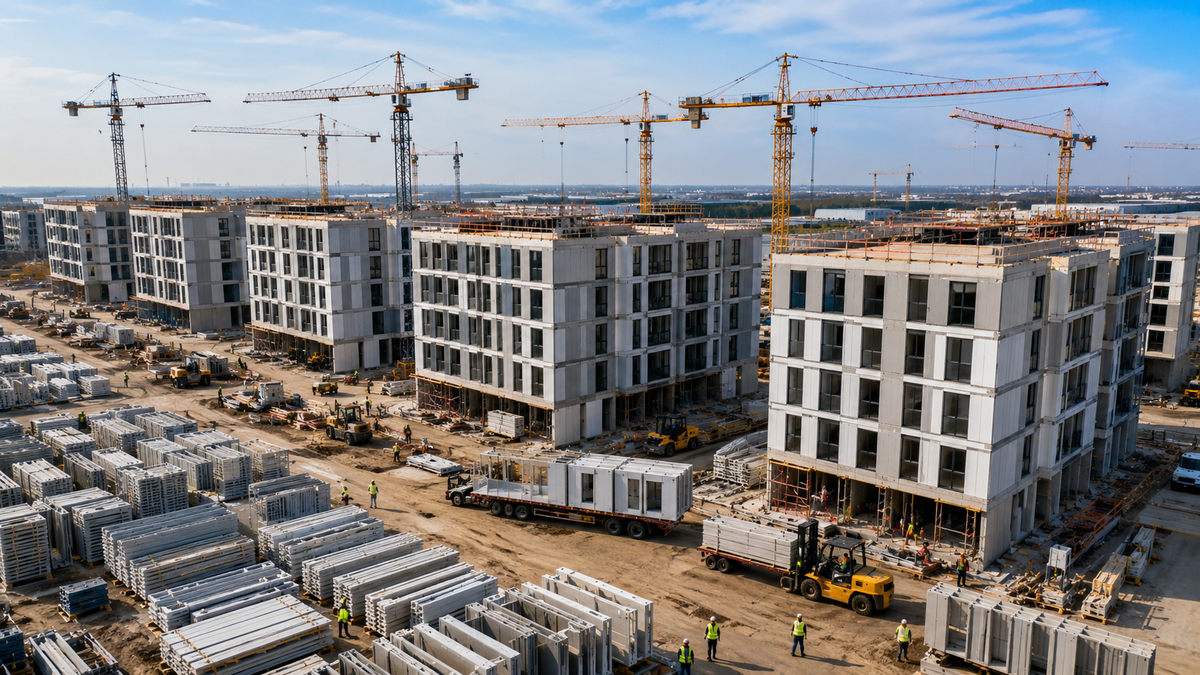
Programmatic Construction: How Developers Build Multiple Buildings the Same Way
Programmatic construction helps repeat developers systematise supply chains, scopes, procurement, and coordination so each project improves on the last.

Why Construction Projects Are Delayed and What Actually Fixes It
Most construction delays aren't caused by bad contractors. They're caused by coordination failure. Here's what actually causes delays and what genuinely fixes them.

Why Contractors Are Opening Warehouses and How to Run Them
Contractors are opening warehouses to control materials, stage deliveries, and run prefab. Here's what it takes to run one properly and the mistakes to avoid.
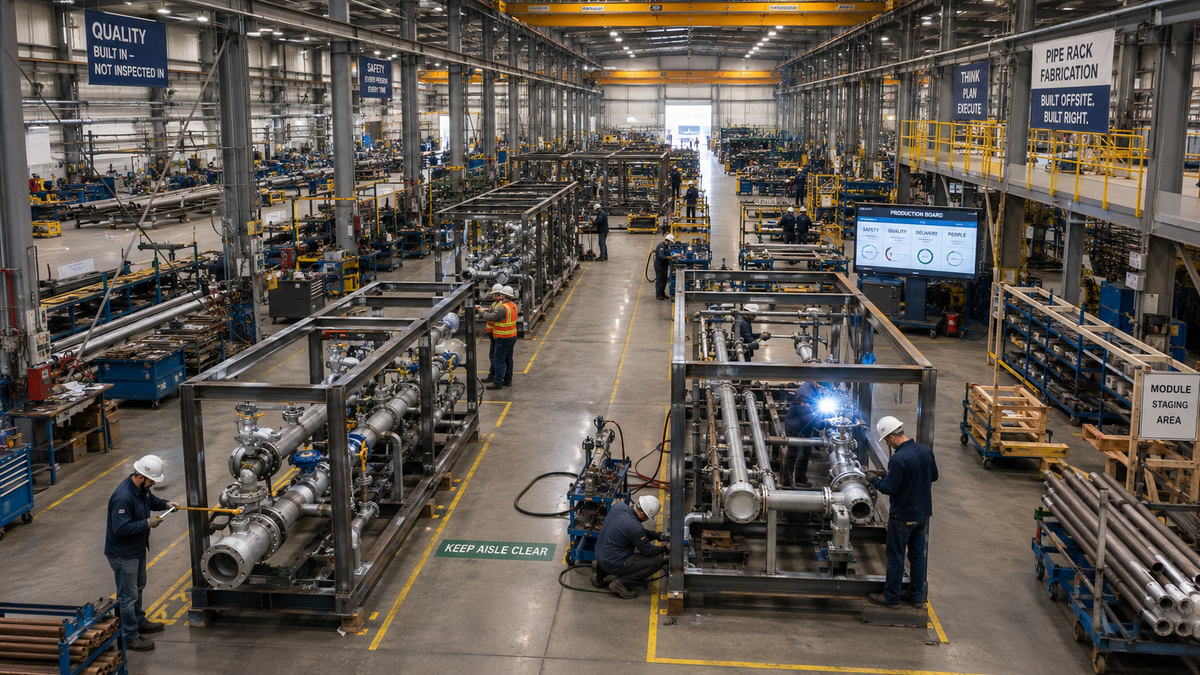
How Mechanical Contractors Are Building Prefab Shops in 2026
How mechanical contractors are building prefab shops in 2026 the operational systems, common mistakes, and what it takes to make prefab a real margin advantage.